
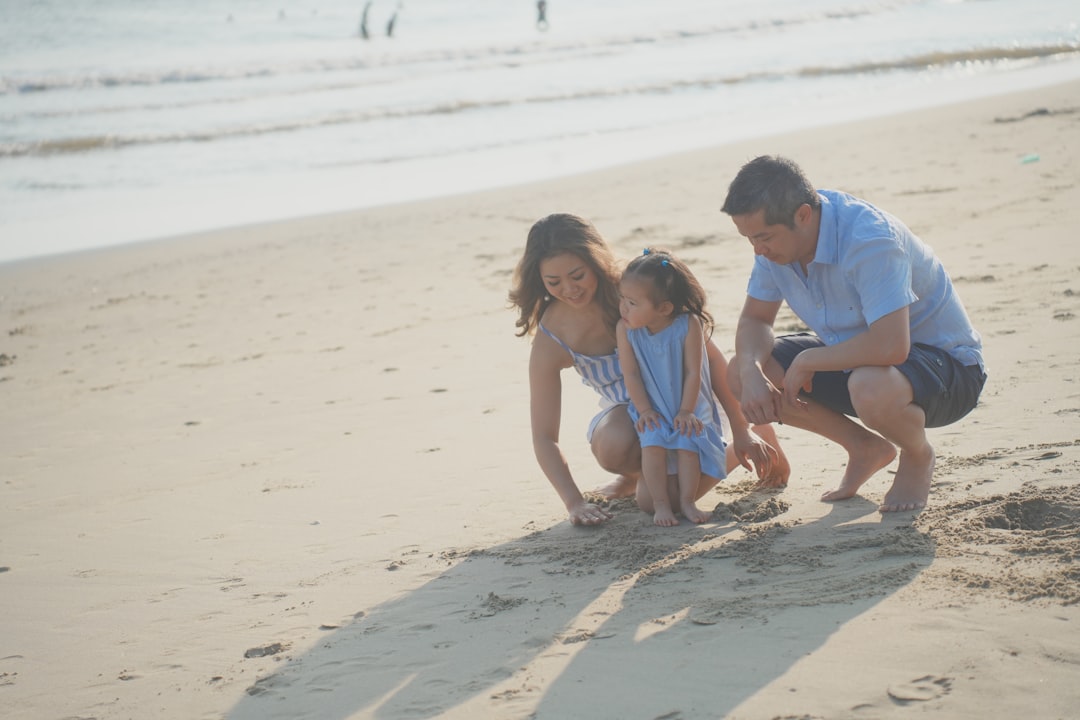
Beach Vacations for Families: The Ultimate Guide to Fun in the Sun
Are you dreaming of a perfect family trip? A beach vacation might be the answer. The sound of waves. The feel of warm sand. The joy of building sandcastles. Beach vacations for families create lasting memories. They offer fun for everyone. Parents can relax. Kids can play. Everyone enjoys the sun and sea.
But planning a beach trip with kids needs care. You must pick the right place. You need to pack the right things. You want activities for all ages. This guide will help you. We cover everything. From choosing destinations to packing lists. From budget tips to safety advice. We give you a complete plan for your family beach holiday.
Why choose a beach? Beaches are naturally fun for children. They provide open space to run. They offer simple pleasures like splashing in water. Beaches often have calm, shallow areas safe for young swimmers. Many beach towns have family-friendly attractions nearby. Think mini-golf, ice cream shops, and aquariums. A beach vacation combines relaxation with adventure perfectly.
This guide is for all families. Big families. Small families. Families with toddlers. Families with teenagers. We will explore different beach types. We will look at resorts and rentals. We will discuss costs and planning. Our goal is simple. We want your family to have the best beach vacation ever. Let us dive into the sunny world of family beach trips.
Why Beach Vacations Are Perfect for Families
Beaches offer unique benefits for family trips. First, they are often budget-friendly. Many beaches are free to visit. You do not need expensive tickets. Nature provides the entertainment. Kids can play for hours with just a bucket and spade. This saves money on activities.
Second, beaches suit all ages. Babies enjoy the sensory experience. Toddlers love digging and splashing. School-age kids can try boogie boarding or snorkeling. Teens might enjoy beach volleyball or surfing lessons. Parents can read a book or take a walk. Everyone finds their own fun.
Third, beach vacations promote family bonding. Without screens and schedules, families talk and play together. Building a sandcastle is a team project. Searching for seashells becomes a shared adventure. These simple activities create strong connections. The relaxed pace reduces stress for parents too.
Research supports this. A study by the American Psychological Association found that vacations reduce stress. Being near water has particular benefits. The sound of waves can lower anxiety. Sunshine boosts Vitamin D, improving mood. Physical activity like swimming is great for health. A beach vacation is good for your family's well-being.
Health Benefits of Beach Trips
Beach vacations offer real health perks. Sea air is rich in negative ions. These can improve your mood and energy. Swimming in the ocean is excellent exercise. It works many muscle groups gently. Walking on sand is harder than pavement. This gives a better workout for your legs.
Sunlight helps your body make Vitamin D. This vitamin is crucial for strong bones. It also supports the immune system. Just 10-15 minutes of sun exposure is enough. Always use sunscreen to protect skin. The beach environment encourages outdoor play. This helps children meet daily activity goals.
Mental health benefits are significant too. The color blue is calming. Watching waves has a meditative effect. A change of scenery breaks daily routines. This can reset family dynamics positively. Kids often sleep better after a day at the beach. Physical tiredness from play leads to deeper rest.
Choosing the Perfect Family Beach Destination
Picking the right beach is crucial. Not all beaches are equal for families. You need to consider several factors. Safety is the most important. Look for beaches with lifeguards. Choose places with gentle slopes into the water. Avoid beaches with strong currents or big waves if you have young children.
Facilities matter too. Are there clean restrooms nearby? Is there a place to buy food and drinks? Are there shaded areas or umbrellas for rent? These things make a day at the beach easier with kids. Some beaches even have playgrounds or splash pads nearby.
Consider the type of beach. Sandy beaches are best for young children. They are soft for playing and walking. Pebble beaches can be hard on little feet. Some beaches have seaweed or jellyfish at certain times. Research local conditions before you book.
Location is key. How far is the beach from your accommodation? A short walk is ideal with tired children. Is the beach crowded? Some families prefer quieter spots. Others like the buzz of a popular beach with more amenities. Think about what your family enjoys most.
Top Family-Friendly Beach Destinations in the USA
The United States has many wonderful family beaches. Here are some top picks:
- Clearwater Beach, Florida: Famous for its white sand and calm Gulf waters. The beach has lifeguards, restrooms, and showers. The nearby Pier 60 has daily sunset festivals with entertainment.
- Coronado Beach, California: Wide, flat beach near San Diego. The sand contains mica, making it sparkle. Gentle waves are good for beginner surfers. The historic Hotel del Coronado is a landmark.
- Outer Banks, North Carolina: A string of barrier islands with wild beaches. Great for families who love nature. You can see wild horses in Corolla. The Cape Hatteras National Seashore offers pristine beaches.
- Myrtle Beach, South Carolina: A classic family destination. The beach is long and sandy. The boardwalk has amusement rides, shops, and restaurants. Many family-friendly hotels offer pools and kids' clubs.
- Gulf Shores, Alabama: Affordable family destination with soft sand. The Gulf State Park has a fishing pier and nature trails. The nearby Alabama Gulf Coast Zoo is great for children.
International Beach Destinations for Families
Looking beyond the USA? Consider these international spots:
- Algarve, Portugal: Beautiful cliffs and caves. Many beaches have calm waters perfect for kids. The region is family-friendly and less expensive than other European destinations.
- Gold Coast, Australia: Famous for surf beaches but also has protected swimming areas. Theme parks like Dreamworld and Sea World are nearby. The climate is sunny year-round.
- Phuket, Thailand: Offers luxury resorts with kids' clubs at reasonable prices. Beaches like Kata and Karon have gentle slopes. Thai culture is very welcoming to families.
- Majorca, Spain: A Mediterranean favorite. Shallow, warm waters are ideal for young children. Many resorts cater specifically to families with entertainment and childcare.
- Turks and Caicos: Grace Bay Beach is consistently ranked among the world's best. The water is clear and calm. Many all-inclusive resorts offer family packages.
Planning Your Family Beach Vacation: A Step-by-Step Guide
Good planning makes your trip smoother. Follow these steps for a successful beach vacation.
Step 1: Set Your Budget
First, decide how much you can spend. Beach vacations can range from cheap to very expensive. Consider these costs:
- Transportation (flights, gas, car rental)
- Accommodation (hotel, rental house, camping)
- Food (eating out, groceries, snacks)
- Activities (tours, equipment rental, attractions)
- Beach gear (chairs, umbrellas, toys)
- Travel insurance
Set a daily spending limit. Include some extra money for surprises. Travel during off-peak seasons to save. For example, beach destinations are cheaper in September after summer ends. The weather is still warm but crowds are smaller.
Step 2: Choose Your Travel Dates
Consider school holidays if you have school-age children. But these are peak times. If you can travel outside holidays, you will find better deals. Check the weather patterns for your destination. Avoid hurricane season in tropical areas. This is typically June to November in the Atlantic.
Think about water temperature too. Some beaches are too cold for swimming in winter. Others are too hot in mid-summer. Spring and fall often offer pleasant conditions. The National Weather Service provides climate data for US beaches.
Step 3: Book Accommodation
Choose lodging that fits your family's needs. Options include:
- Befront rentals: Direct beach access is convenient but often more expensive.
- Hotels with pools: Good for when kids need a break from sand and saltwater.
- Vacation rentals: Apartments or houses with kitchens save money on meals.
- Campgrounds: Budget-friendly option for outdoorsy families.
Look for family-friendly features. These include kitchenettes, laundry facilities, and separate sleeping areas. Check reviews from other families. They will mention important details like noise levels or stair safety.
Step 4: Plan Your Activities
Mix beach days with other activities. Too much sun can tire children. Plan some indoor or shaded options. Research local attractions:
- Children's museums or aquariums
- Nature centers or wildlife parks
- Mini-golf or go-kart tracks
- Movie theaters for rainy days
- Local festivals or events
Do not over-schedule. Leave plenty of free time for spontaneous beach fun. Sometimes the best memories come from unplanned moments.
Essential Packing List for Family Beach Vacations
Packing properly prevents stress. Here is a comprehensive list for families.
Beach Gear Essentials
- Sun protection: Broad-spectrum sunscreen (SPF 30+), lip balm with SPF, sun hats, UV-protection swim shirts
- Shelter: Beach umbrella or pop-up tent for shade
- Seating: Lightweight beach chairs or blankets
- Toys: Buckets, shovels, sand molds, beach balls, frisbees
- Water safety: Life jackets for weak swimmers, swim noodles, waterproof baby carrier
- Beach bag: Large, waterproof bag to carry everything
Clothing and Personal Items
- Multiple swimsuits per person (so one can dry while you wear another)
- Lightweight cover-ups or rash guards
- Comfortable sandals or water shoes
- Evening clothes for dinners out
- Light jackets for cooler evenings
- Extra underwear and socks
- Toiletries and medications
- Baby supplies if needed (diapers, wipes, formula)
Practical Items Often Forgotten
- Reusable water bottles to stay hydrated
- Snacks that do not melt (granola bars, fruit snacks)
- Ziploc bags for wet items or sandy phones
- Basic first aid kit with bandages, antiseptic, and sting relief
- Beach towels (hotel towels may not be allowed on beach)
- Portable phone charger
- Entertainment for travel and downtime (books, tablets, cards)
Pack a separate "beach bag" that stays ready. Fill it with sunscreen, hats, and toys. This saves time each morning. You just grab the bag and go.
Keeping Kids Safe and Happy at the Beach
Safety is the top priority. Follow these guidelines for a worry-free beach experience.
Sun Safety Rules
Sunburn can ruin a vacation. Protect your family:
- Apply sunscreen 30 minutes before going outside. Use about one ounce (a shot glass full) per adult.
- Reapply every two hours, or after swimming or sweating.
- Seek shade between 10 AM and 4 PM when the sun is strongest.
- Wear protective clothing. Rash guards with UPF are better than sunscreen alone.
- Use sunglasses with UV protection for everyone.
The Skin Cancer Foundation reports that just one blistering sunburn in childhood doubles the risk of melanoma later. Protect your children's skin carefully.
Water Safety Tips
Drowning is a real risk. Stay vigilant:
- Always swim near a lifeguard. According to the United States Lifesaving Association, the chance of drowning at a beach with lifeguards is less than 1 in 18 million.
- Use the "touch supervision" rule for young children. Always be close enough to touch them in the water.
- Teach children about rip currents. If caught in one, swim parallel to shore to escape.
- Designate a "water watcher" adult who is not distracted by phones or books.
- Use US Coast Guard-approved life jackets for weak swimmers.
- Check beach warning flags daily. Red means dangerous conditions.
Managing Sand and Salt
Kids often complain about sand. These tips help:
- Bring a small inflatable pool. Fill it with fresh water for rinsing feet.
- Use baby powder on sandy skin. It makes sand brush off easily.
- Pack multiple towels. One for drying, one for sitting on.
- Rinse swimsuits in fresh water after each use to prevent salt damage.
- Apply moisturizer after beach days to prevent dry, salty skin.
Fun Beach Activities for the Whole Family
Beyond swimming, beaches offer endless fun. Try these activities:
Sand Play Ideas
- Sandcastle competitions: Bring different sized buckets and tools. Make moats, towers, and walls.
- Beach archaeology: Bury "treasure" (shells, toys) and let kids dig to find it.
- Sand drawings: Use sticks or shells to create pictures in the sand.
- Footprint trails: Make patterns with different family members' footprints.
- Sand kitchen: Bring old kitchen utensils for pretend cooking with sand and water.
Water Activities
- Boogie boarding: Easier than surfing for beginners. Gentle waves are perfect for kids.
- Snorkeling: In calm, clear waters, explore underwater life. Use a full-face mask for easier breathing.
- Beach Olympics: Create games like relay races, frisbee toss, or sand jumping.
- Tide pooling: Explore rocky areas at low tide. Look for crabs, starfish, and sea anemones.
- Shell collecting: Make it educational. Bring a guidebook to identify shells.
Evening Beach Fun
The beach is magical after sunset:
- Beach bonfires: Where permitted, roast marshmallows and tell stories.
- Flashlight tag: Play tag on the sand with flashlights after dark.
- Stargazing: Away from city lights, beaches offer clear night skies.
- Glow stick party: Bring glow sticks and bracelets for nighttime beach play.
- Moonlight walks: The beach looks different by moonlight. Listen to the waves.
Budget-Friendly Tips for Family Beach Vacations
Beach trips do not need to break the bank. Try these money-saving ideas:
Save on Accommodation
- Travel with another family and split a vacation rental.
- Look for hotels with free breakfast and kitchenettes.
- Consider camping at beachside campgrounds.
- Book last-minute deals if your schedule is flexible.
- Use loyalty points or credit card rewards for free nights.
Cut Food Costs
Food is a major vacation expense. Save money:
- Choose accommodation with a kitchen. Cook simple meals instead of eating out.
- Pack a beach cooler with sandwiches, fruit, and drinks.
- Visit local grocery stores instead of tourist shops.
- Eat your main meal at lunch when many restaurants offer cheaper prices.
- Look for hotels with free happy hour or snack times.
Free and Low-Cost Activities
- Many beaches offer free entertainment like concerts or movie nights.
- Public libraries often have free museum passes for local attractions.
- Nature walks and hiking trails are usually free.
- Check community calendars for free festivals or events.
- Borrow beach gear from friends instead of buying everything new.
According to a AAA survey, the average family vacation costs about $1,900. With careful planning, beach vacations can cost much less.
Real Family Beach Vacation Examples
Let us look at real examples for inspiration.
The Smith Family: Florida Gulf Coast
The Smiths have two children, ages 4 and 7. They visited Siesta Key, Florida for five days. They rented a condo one block from the beach. The condo had a kitchen and washer/dryer. Each morning, they walked to the beach with their packed cooler. They spent mornings building sandcastles and swimming. After lunch at the condo, they visited local attractions. These included the Mote Marine Aquarium and a dolphin-watching cruise. Their budget was $1,500. They spent $800 on accommodation, $400 on food, $200 on activities, and $100 on gas. They brought most beach gear from home.
The Garcia Family: Southern California
The Garcias have three teenagers. They wanted an active vacation. They chose Huntington Beach, California. They stayed in a hotel with a pool and bike rentals. Each day they biked along the beach path. They took surfing lessons together. They visited Disneyland for one day. Their evenings included beach bonfires and trying different restaurants. Their budget was higher at $3,000 for one week. But they created memories that will last forever.
Frequently Asked Questions (FAQ)
What is the best age to take children to the beach?
You can take babies to the beach. But wait until they are at least 6 months old. Their skin is very sensitive. Keep them shaded at all times. Toddlers from 1-3 years love beach play. They enjoy digging and splashing. School-age children can try more activities like boogie boarding. All ages can enjoy the beach with proper precautions.
How do I protect my child from sunburn?
Use multiple methods. Apply broad-spectrum sunscreen SPF 30+. Dress them in UV-protective swim shirts and hats. Use a beach umbrella or tent for shade. Avoid peak sun hours from 10 AM to 4 PM. Reapply sunscreen every two hours and after swimming.
What should I do if my child gets a jellyfish sting?
First, get out of the water. Rinse the area with vinegar if available. Do not use fresh water or rub the area. Remove any tentacles with tweezers. Soak in hot water (104-113°F) for 20-45 minutes. Seek medical help if there is severe pain, trouble breathing, or if the sting covers a large area.
Are all-inclusive resorts good for family beach vacations?
All-inclusive resorts can be great for families. Meals, drinks, and activities are included. This makes budgeting easier. Many have kids' clubs and entertainment. But they can be more expensive upfront. Also, you might not experience local culture as much. Compare prices carefully before booking.
How can I keep my belongings safe on the beach?
Do not bring valuables to the beach. Leave passports and extra cash in your room safe. Use a waterproof pouch for phones and keys. Bury small items in the sand near your blanket. Take turns going in the water so someone watches your stuff. Consider a portable safe that locks to a beach chair.
What is the best time of year for a family beach vacation?
It depends on the destination. For US beaches, late spring (May-June) and early fall (September-October) often have good weather with fewer crowds. Summer has the warmest water but biggest crowds. Check local weather patterns. Avoid hurricane season in tropical areas.
How do I handle beach vacations with children who have special needs?
Many beaches now offer accessibility features. Look for beaches with beach wheelchairs. These have wide wheels for sand. Some resorts have autism-friendly programs. Call ahead to ask about accommodations. Bring familiar items to help with routine changes. Consider renting a beachfront room for easy access.
Conclusion: Making Memories That Last
Family beach vacations create special memories. The shared experiences bond families together. Children remember these trips for years. They remember building sandcastles with dad. They remember finding seashells with mom. They remember jumping waves with siblings. These simple moments matter most.
Planning is important but do not over-plan. Leave room for spontaneity. Some of the best beach memories are unplanned. Like discovering a hidden tide pool. Or watching a beautiful sunset together. Or meeting another family and playing beach games.
Remember the goal is connection, not perfection. Things might go wrong. It might rain one day. Someone might get sunburned. These become funny stories later. What matters is being together in a beautiful place.
Start planning your family beach vacation today. Use this guide as your roadmap. Choose a destination that fits your family. Pack wisely. Focus on safety. Most importantly, relax and enjoy. The beach awaits with its timeless magic. Your family's perfect beach vacation is out there. Go make those sunny memories that will warm your hearts for years to come.
Ready to start planning? Check out our Family Travel Budget Guide for more tips. Or explore our Beach Destinations section for specific location ideas. Happy travels!