
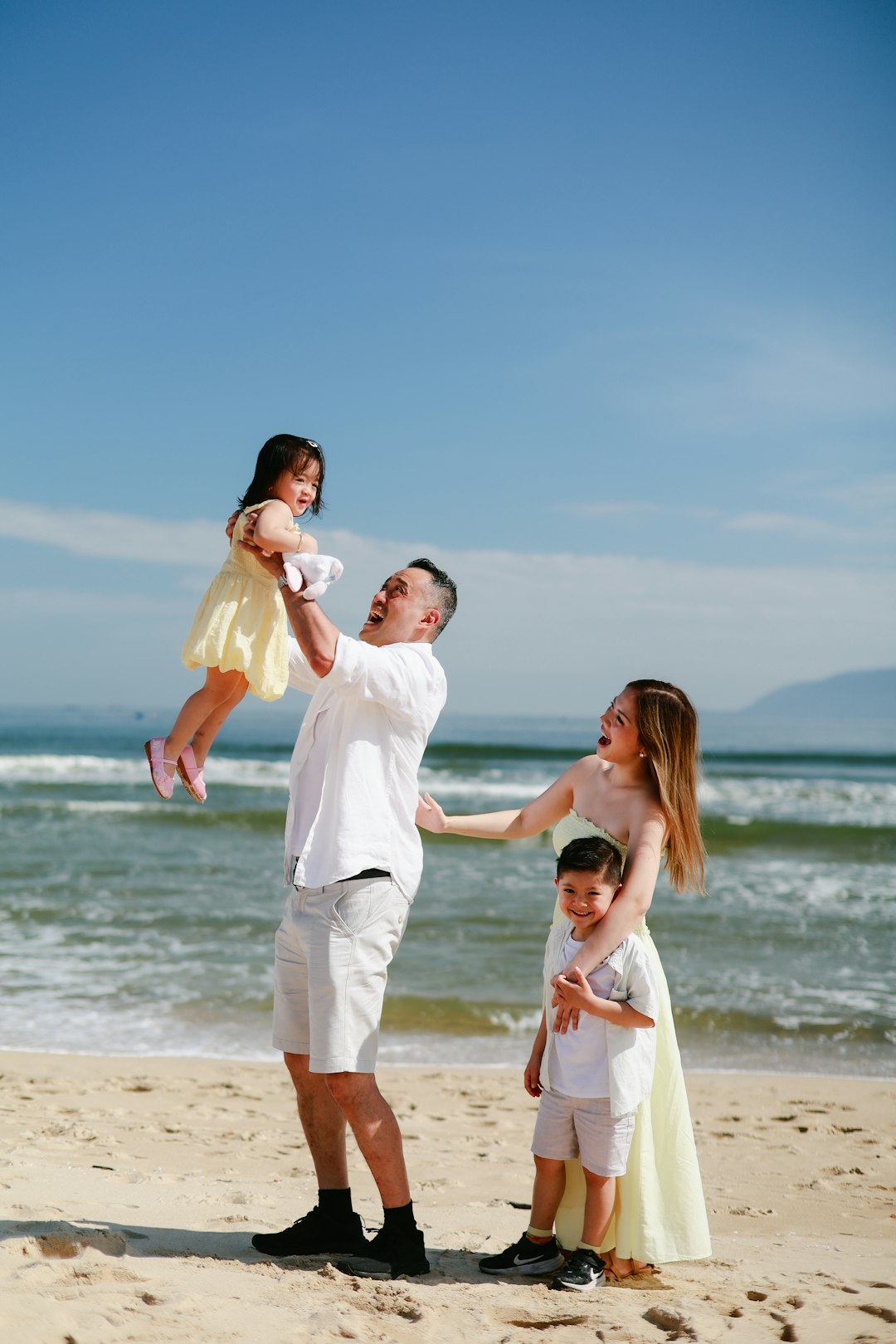
Great Family Beach Vacations: Planning Tips & Best Destinations
Imagine the sound of waves. Picture your kids laughing in the sand. Think about sunny days and salty air. A family beach vacation creates lasting memories. It brings everyone together. The beach offers fun for all ages. But planning can feel overwhelming. Where should you go? What should you pack? How do you stay on budget? This guide answers all your questions. We provide detailed tips and destination ideas. Our goal is simple. We want to help you plan the perfect trip. Let's dive into the world of family beach fun.
First, why choose a beach vacation? Beaches provide natural entertainment. Children can play for hours. They build sandcastles. They splash in gentle waves. Teens might try surfing or snorkeling. Parents can relax in a beach chair. Everyone enjoys the sunshine. Beach trips often have lower costs than theme parks. You can find activities for every budget. Many beaches are free to visit. You just need towels and sunscreen. Beach vacations also promote family bonding. You share simple joys. You watch sunsets together. You collect seashells as a team. These moments become cherished stories.
This guide is very comprehensive. We cover everything you need to know. We start with how to choose your destination. Then we discuss budgeting and packing. Next, we share top beach spots for families. We include tips for safety and fun. We also answer common questions. Finally, we provide a step-by-step planning guide. Our advice is practical and easy to follow. We use simple language. We break information into clear sections. Let's begin your journey to the perfect family beach holiday.
How to Choose the Perfect Family Beach Destination
Choosing the right beach is crucial. Not all beaches are good for families. Some have strong waves. Others have rocky shores. You need a safe, welcoming place. Consider these important factors before you book.
Safety First: Water Conditions and Lifeguards
Safety is your top priority. Look for beaches with calm waters. Gentle waves are best for young children. Check if the beach has lifeguards. The U.S. Lifesaving Association reports that beaches with lifeguards have very low drowning rates. Always swim near a lifeguard tower. Also, research the beach's flag system. Many places use colored flags. A green flag means safe conditions. A red flag means danger. Teach your kids this system.
Look for beaches with gradual slopes. A sandy bottom that slopes slowly is ideal. It allows kids to wade safely. Avoid beaches with sudden drop-offs. Also, check for marine life warnings. Some areas have jellyfish or sea urchins. Local tourism websites provide this information. Read recent visitor reviews. Parents often mention safety concerns online.
Family-Friendly Amenities and Facilities
Great family beaches offer more than sand. They have clean restrooms and showers. This is essential with sandy, wet children. Look for beaches with picnic areas. Having lunch on the beach saves money. Some beaches have playgrounds nearby. This gives kids a break from the sun. Shade is another key feature. Look for beaches with natural shade from trees. Or choose a spot with umbrella rentals.
Parking is a practical concern. A beach with a large, affordable parking lot is best. Some beaches offer family parking closer to the sand. Also, check for stroller accessibility. Wide, firm pathways help you push a beach cart. Many top family beaches have boardwalks or paved paths. Discover America's beach guide lists amenities for many U.S. beaches.
Considering Your Children's Ages
Your kids' ages shape your destination choice. For toddlers, choose a beach with very calm water. A bay or gulf beach is often perfect. The waves are tiny. The water is warm. For school-age kids, look for activity variety. They might enjoy boogie boarding or collecting shells. Teens may want more adventure. Consider beaches near surfing lessons or jet ski rentals.
Also, think about nap times and routines. A beach close to your accommodation helps. You can go back for afternoon naps. For long travel days, choose a direct flight if possible. A shorter journey means happier kids. Write a list of your family's specific needs. Match those needs to beach descriptions.
Top Family Beach Destinations Around the World
The world is full of amazing family beaches. We have selected some of the best. These places are known for safety, beauty, and family fun. We include options for different budgets and travel styles.
Best Beaches in the United States for Families
The U.S. has countless family-friendly shores. Here are five standout locations.
- Clearwater Beach, Florida: This beach has powdery white sand. The Gulf of Mexico waters are warm and gentle. The beach has a lively promenade. There are street performers and ice cream shops. The Clearwater Marine Aquarium is nearby. Kids love seeing Winter the dolphin.
- Coronado Beach, California: Located near San Diego. This beach is wide and flat. The sand has a unique sparkle from mica. The famous Hotel del Coronado provides a historic backdrop. The waves are usually mild. The town is very walkable and safe.
- Outer Banks, North Carolina: A string of barrier islands. These beaches are less crowded. They are perfect for families who love nature. You can see wild horses in Corolla. The Cape Hatteras National Seashore offers educational programs. Rent a beach house for a week.
- Gulf Shores, Alabama: Affordable and welcoming. The beaches have soft sand. The community is focused on family tourism. Visit the Alabama Gulf Coast Zoo. Take a dolphin cruise. The area has many budget-friendly condos.
- Waikiki Beach, Hawaii: Famous for its view of Diamond Head. The beach is protected by an outer reef. This creates calm, shallow waters. It is ideal for first-time snorkelers. The area has many lessons for surfing and outrigger canoeing.
International Beach Gems for Families
Looking for an adventure abroad? These international spots are fantastic for families.
- Flic-en-Flac, Mauritius: A lagoon with crystal-clear water. The beach is protected by a coral reef. The water is always calm. It is like a giant natural swimming pool. The sand is white. Palm trees provide shade. Mauritius is a safe and friendly island nation.
- Algarve, Portugal: The southern coast of Portugal. It has stunning cliffs and caves. Many beaches here are in small coves. This protects them from big waves. Praia da Marinha is especially beautiful. The region is very affordable for European travel. The food is kid-friendly.
- Gold Coast, Australia: Home to miles of sandy beaches. Surfers Paradise is famous. But for families, try Broadbeach or Burleigh Heads. They are slightly quieter. The area has great parks and playgrounds. The Queensland tourism board offers excellent family itineraries.
- Tulum, Mexico: For families who love culture and nature. Tulum has beautiful Caribbean beaches. The water is turquoise. You can visit ancient Mayan ruins right on the coast. The town has a relaxed, eco-friendly vibe. Many hotels are designed with families in mind.
Smart Budgeting for Your Beach Getaway
A beach vacation does not have to break the bank. With smart planning, you can save a lot of money. Follow these budgeting tips to keep costs under control.
When to Book for the Best Deals
Timing is everything in travel. For beach trips, avoid peak season. Summer and school holidays are most expensive. Consider traveling in the shoulder season. This is the period just before or after peak season. The weather is still good. But prices are much lower. For example, visit the Caribbean in late April or early May. The crowds are smaller. Hotels offer discounts.
Book flights and hotels early. Airlines often release seats 6-11 months in advance. Early booking gets the best prices. Use price alert tools. Websites like Google Flights let you track prices. You get an email when the price drops. Be flexible with your dates. Flying on a Tuesday or Wednesday is often cheaper.
Saving on Accommodation and Food
Think beyond traditional hotels. Vacation rentals can save money. A condo with a kitchen allows you to cook meals. Eating out for every meal is costly. Prepare breakfast and lunch in your rental. Then enjoy dinner at a restaurant. Look for accommodations just a few blocks from the beach. The price drops significantly. The walk is short and easy.
Pack a cooler for the beach. Bring sandwiches, fruit, and drinks. Buying snacks at beach stands adds up quickly. Research free activities. Many beaches offer free concerts or movie nights. Check the local tourism calendar. Look for hotel packages that include breakfast or activity credits.
Hidden Costs to Plan For
Always budget for unexpected expenses. Beach trips have common hidden costs.
- Beach Gear Rental: Chairs, umbrellas, and boogie boards cost money to rent daily. Consider buying inexpensive gear upon arrival. Donate it at the end of your trip.
- Parking Fees: Many popular beaches charge for parking. This can be $10-$30 per day. Factor this into your daily budget.
- Souvenirs and Ice Cream: Kids will ask for treats. Set a daily souvenir allowance. This prevents arguments and overspending.
- Resort Fees: Some hotels add a daily "resort fee." This covers pools and gyms. Always ask about extra fees before booking.
According to a AAA travel survey, the average family of four spends about $4,800 on a summer vacation. A beach trip can cost less with careful planning.
The Ultimate Family Beach Packing List
Packing well makes your trip smoother. You do not want to forget something important. But you also do not want to overpack. This list covers all essentials for a family beach vacation.
Essential Beach Gear and Sun Protection
Sun protection is non-negotiable. Pack these items for everyone.
- Reef-Safe Sunscreen: Choose SPF 30 or higher. Get a water-resistant formula. Apply it 30 minutes before sun exposure. Reapply every two hours. The Skin Cancer Foundation recommends using a broad-spectrum sunscreen.
- Sun Hats and UV-Protection Shirts: Hats with wide brims protect faces and necks. Rash guards or UV shirts are great for kids. They protect skin even when wet.
- Sunglasses: Protect everyone's eyes. Look for glasses with UV protection.
- Beach Tent or Umbrella: This provides crucial shade. A pop-up tent is easy to carry. It gives kids a place to cool down.
- Beach Towels: Pack at least two per person. Microfiber towels dry quickly.
- Beach Bag: A large, waterproof bag is perfect. It carries all your daily supplies.
Clothing and Footwear for Sand and Sun
Pack light, comfortable clothing. Think about quick-dry materials.
- Swimsuits: Pack two per person. This allows one to dry while you wear the other.
- Cover-ups: Easy dresses or shorts for walking to and from the beach.
- Water Shoes: These protect feet from hot sand and sharp shells. They are great for rocky beaches.
- Light Layers: Evenings can be breezy. Pack a light sweater or jacket for each person.
- Comfortable Walking Shoes: For exploring the town or boardwalk.
Entertainment and Safety Items
Keep kids entertained and safe with these items.
- Sand Toys: Buckets, shovels, and molds. You can buy these cheaply at your destination.
- Water Toys: Inflatable balls, snorkel sets for older kids.
- First-Aid Kit: Include band-aids, antiseptic wipes, aloe vera gel for sunburns, and any personal medications.
- Reusable Water Bottles: Staying hydrated is key. Fill bottles before heading to the beach.
- Waterproof Phone Case: Protects your phone from sand and water. Lets you take pictures in the sea.
- Baby Powder: A secret trick! Sprinkle baby powder on sandy skin. The sand wipes right off.
Fun Beach Activities for All Ages
The beach itself is the best playground. But having a list of games and ideas helps. Here are activities to keep everyone engaged from sunrise to sunset.
Classic Sand and Sea Games
You do not need fancy equipment for these timeless games.
- Sandcastle Competitions: Divide into teams. Give everyone 30 minutes. Judge the best castle. Use natural items like shells and seaweed for decoration.
- Beach Scavenger Hunt: Make a list of items to find. Include a smooth stone, a unique shell, a piece of sea glass, a feather. Give each child a bag to collect treasures.
- Frisbee or Catch: The soft sand is forgiving for falling. Play a simple game of catch with a soft ball.
- Wave Jumping: A simple joy. Hold younger children's hands and jump over incoming waves.
- Tide Pool Exploring: During low tide, explore rocky areas. Look for small crabs, snails, and starfish. Remember to look but not touch fragile creatures.
Educational and Nature-Based Activities
Turn fun into learning with these ideas.
- Seashell Identification: Collect different shells. Use a shell identification guide or app to learn their names.
- Beachcombing Journal: Bring a notebook. Draw pictures of finds. Write about the day's weather and wildlife.
- Bird Watching: Many beaches have shorebirds like sandpipers and pelicans. Bring binoculars. See how many species you can spot.
- Star Gazing: At night, the beach away from city lights is perfect for seeing stars. Look for constellations. Download a stargazing app.
Adventure Activities for Older Kids and Teens
Older children might want more excitement.
- Surf Lessons: Many beach towns offer group lessons. It is a great skill to learn. Instructors provide boards and safety tips.
- Stand-Up Paddleboarding (SUP): Calm bays are perfect for this. It is easier than surfing. It offers a great core workout.
- Snorkeling Tours: Book a family-friendly snorkel trip. Guides take you to the best spots. They provide all equipment. You see colorful fish and coral.
- Kayaking: Rent a tandem kayak. Explore the coastline from the water. Look for dolphins or manatees.
Practical Tips for a Smooth Beach Vacation
Small details make a big difference. These practical tips will help your trip run smoothly. They come from experienced family travelers.
Managing Sun and Hydration
The sun is strong at the beach. Dehydration happens quickly. Follow this routine.
- Apply sunscreen before leaving your room. Do not wait until you are on the sand.
- Set a timer for reapplication every two hours. Or link it to a routine, like reapplying after lunch.
- Take a break from the sun between 10 a.m. and 2 p.m. This is when UV rays are strongest. Go for lunch indoors. Or visit a museum.
- Bring a large cooler with ice packs. Fill it with water bottles, juice boxes, and fruit like watermelon and grapes.
- Make a rule: every time a child comes out of the water, they take a drink.
Handling Sand and Mess
Sand gets everywhere. Accept it. But these tricks help.
- Bring a small plastic tub or bucket. Fill it with water from the showers. Have kids rinse their feet before drying them.
- Use the baby powder trick mentioned earlier.
- Keep a large, wet towel just inside your rental door. Wipe sandy feet before entering.
- Pack a handheld vacuum or a small broom for your rental. Do a quick sweep at the end of each day.
Keeping Valuables Safe on the Beach
Do not bring expensive items to the beach. Leave jewelry in the safe. But you need your phone, keys, and wallet. Here are safe options.
- Use a waterproof pouch that you wear around your neck under your shirt.
- Buy a small, lockable beach safe. You can anchor it to your chair leg.
- Take turns going in the water. One adult stays with the belongings.
- Bury small items like keys in the sand under your towel. Mark the spot with a toy. Just remember where you put them!
Frequently Asked Questions (FAQ)
Here are answers to the most common questions about family beach vacations.
What is the best age to take a baby to the beach?
You can take a baby to the beach at any age. But extra care is needed. Avoid direct sun for babies under 6 months. Use a sunshade tent. Keep them hydrated. The best time is early morning or late afternoon. Always check with your pediatrician first.
How can I find a beach that is not too crowded?
Research is key. Look for beaches that require a short walk from parking. Crowds often cluster near access points. Visit on a weekday instead of a weekend. Go early in the morning. Use satellite view on Google Maps to see beach size and parking lots.
Are all-inclusive resorts good for family beach trips?
Yes, they can be excellent. All-inclusive means meals, drinks, and activities are included. This simplifies budgeting. Many have kids' clubs and water parks. Look for resorts with family suites and good reviews from other parents. Compare the total cost to a DIY trip.
What should I do if my child is afraid of the waves?
Do not force it. Start by playing in the dry sand far from the water. Then move to where the wet sand is. Let them watch other children having fun. Hold them securely and just let their toes touch the water. Bring a small inflatable pool to the beach. Fill it with water. Let them play there safely.
How do I protect my phone from sand and water?
Use a high-quality waterproof case. Test it before your trip. Put your phone in a zip-top plastic bag as an extra layer. Keep it in your beach bag when not in use. Do not place it directly on your towel where sand can get into ports.
Is it safe to collect shells and bring them home?
Usually, yes. But check local regulations. Some protected areas forbid collecting natural items. Always make sure shells are empty. Do not take live animals. Clean shells thoroughly with soap and water before packing. This prevents bad smells.
What is the single most important item to pack?
Besides sunscreen, it is a positive attitude. Things will go wrong. A toy will break. It might rain. Embrace the adventure. Focus on being together. That is what your kids will remember.
Step-by-Step Guide to Planning Your Trip
Feeling ready to plan? Follow this simple 8-step guide.
- Family Meeting: Talk about what everyone wants. Make a wish list. Agree on a budget range.
- Research & Shortlist: Pick 3-5 potential destinations. Use the criteria in Section 1. Read recent reviews from families.
- Check Dates & Book Flights: Be flexible with dates. Use price tracking tools. Book flights first, as they change price most.
- Book Accommodation: Choose a place that fits your needs. Consider location, amenities, and cancellation policies.
- Plan Activities: Book 1-2 special activities in advance (like surf lessons). Leave other days open for spontaneous beach time.
- Create a Packing List: Use our list in Section 4. Start packing a week before you leave.
- Prepare Your Home: Stop mail. Arrange pet care. Set up automatic lights.
- Go and Enjoy! Be present. Take photos. Have fun.
Conclusion: Your Perfect Beach Awaits
A great family beach vacation is within your reach. It does not require a huge budget or perfect planning. It requires a desire to have fun together. Use the tips in this guide. Choose a safe, welcoming beach. Pack smart. Focus on sun safety. Embrace the simple joys of sand and sea.
Remember, the goal is connection. Put down your phone. Build a sandcastle. Look for seashells. Jump in the waves. These are the moments that matter. They strengthen family bonds. They create stories you will tell for years. The sound of the ocean is calming. The feeling of sun on your skin is joyful. The laughter of your children is priceless.
Start planning today. Browse destinations online. Talk to your family. Set a date. The beach is waiting for you. It promises relaxation, adventure, and unforgettable memories. Your great family beach vacation is just a plan away. We wish you sunny skies, gentle waves, and happy travels. For more family travel inspiration, visit our other guides on road trips and national park adventures.