
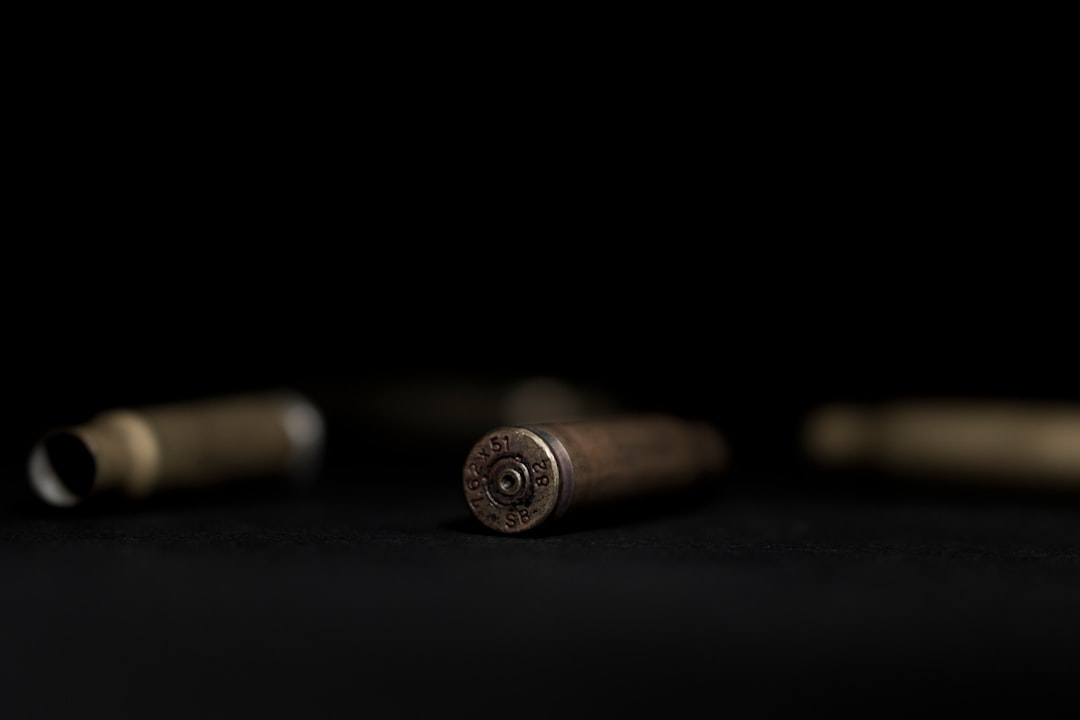
How Fast Does a Bullet Travel? Speed Facts & Firearm Physics
Have you ever wondered how fast a bullet moves? It is a common question. The answer is not simple. Bullet speed changes a lot. It depends on many things. This guide will explain bullet speed in detail. We will look at different guns and bullets. We will also talk about the science behind it. You will learn about real-world examples. You will also get safety tips. Let us start this journey into bullet velocity.
What is Bullet Speed?
Bullet speed is called velocity. It is how fast the bullet moves. We measure it in feet per second (fps) or meters per second (m/s). Speed is very important. It affects how the bullet works. It changes how far it can go. It also changes how much damage it can do. Understanding speed helps us understand guns better.
How We Measure Bullet Speed
We use special tools to measure speed. A common tool is a chronograph. It uses sensors. The bullet passes over the sensors. The tool calculates the speed. This gives us the muzzle velocity. That is the speed as the bullet leaves the gun.
- Feet Per Second (fps): Common in the United States.
- Meters Per Second (m/s): Common in many other countries.
- Muzzle Velocity: The speed at the gun's muzzle.
- Downrange Velocity: The speed as it flies through the air.
Factors That Change Bullet Speed
Many things change how fast a bullet travels. The gun type is very important. The bullet design matters too. Even the weather can change the speed. Let us look at these factors one by one.
Type of Firearm
Different guns make bullets go different speeds. A small pistol is slow. A big rifle is very fast. The barrel length changes speed too. A longer barrel lets the bullet speed up more. The gunpowder amount is also key. More powder usually means more speed.
Bullet Design and Weight
Bullet weight is measured in grains. A grain is a very small unit. Heavier bullets are often slower. Lighter bullets can be faster. The shape of the bullet matters. A pointed bullet cuts through air better. A round bullet has more drag. This slows it down.
Environmental Conditions
The world around the bullet changes its speed. Air is the biggest factor. Thick air slows bullets down. Thin air lets them go faster. Temperature changes air density. Cold air is thicker. Hot air is thinner. Wind can also push the bullet. It can make it slower or faster.
Common Bullet Speeds by Firearm Type
Let us look at real numbers. We will group guns by type. This gives you a good idea of normal speeds.
Handgun Bullet Speeds
Handguns are short-range weapons. They have shorter barrels. Their bullets are slower.
- .22 Long Rifle: 1,200 - 1,500 fps. A very common round.
- 9mm Parabellum: 1,100 - 1,400 fps. Popular for police and defense.
- .45 ACP: 830 - 1,100 fps. Known for its stopping power.
- .357 Magnum: 1,200 - 1,500 fps. A powerful revolver round.
You can learn more about handgun ballistics from the NRA Family guide.
Rifle Bullet Speeds
Rifles have long barrels. They fire high-velocity rounds. They are much faster than handguns.
- .223 Remington / 5.56 NATO: 3,000 - 3,300 fps. Common in AR-15 style rifles.
- .308 Winchester: 2,600 - 2,900 fps. A popular hunting round.
- .30-06 Springfield: 2,700 - 3,000 fps. A classic American hunting cartridge.
- .50 BMG: 2,800 - 3,050 fps. A huge, powerful military round.
The Sporting News has a detailed comparison of rifle cartridge speeds.
Shotgun Pellet Speeds
Shotguns fire many small pellets. Or a single solid slug. Their speed is different.
- Birdshot (Target Loads): 1,200 - 1,300 fps.
- Buckshot (Defense Loads): 1,200 - 1,400 fps.
- Rifled Slugs: 1,500 - 1,900 fps.
The Science of Bullet Flight
What happens after the bullet leaves the gun? Science explains it. The bullet does not fly in a straight line. It follows a curved path. This is called its trajectory. Gravity pulls it down. Air resistance slows it down. The bullet also spins. This spin keeps it stable.
External Ballistics
This is the study of bullet flight. It looks at forces on the bullet. The main forces are:
- Gravity: Pulls the bullet toward the ground.
- Drag: Air resistance that slows the bullet.
- Wind: Pushes the bullet sideways.
- Spin: Gyroscopic effect from the rifling.
The External Ballistics website offers deep technical resources.
How Speed Drops Over Distance
A bullet is fastest at the muzzle. It slows down quickly at first. Then the slowdown becomes more gradual. For example, a .308 Winchester bullet might start at 2,800 fps. At 500 yards, it might be going 1,500 fps. That is a big loss of speed.
World Record and Extreme Bullet Speeds
Some bullets are incredibly fast. They push the limits of technology.
The Fastest Bullets in the World
Specialty rifles and rounds can achieve amazing speeds.
- .220 Swift: Over 4,000 fps. One of the fastest commercial rounds.
- .204 Ruger: Around 4,200 fps. Very fast with light bullets.
- Experimental Rounds: Some research rounds exceed 5,000 fps. They are not for public use.
According to Guns & Ammo, the .220 Swift held the speed record for decades.
Military and Sniper Rifle Speeds
Military snipers need high speed. It helps with long-range accuracy.
- M24 Sniper Weapon System (7.62x51mm NATO): About 2,600 fps.
- M107 .50 BMG Sniper Rifle: About 2,800 fps.
- CheyTac Intervention (.408 CheyTac): About 3,000 fps. For extreme long range.
Practical Tips for Understanding Bullet Speed
This information is useful in real life. Here are some tips.
For Hunters
Choose the right speed for your game. Too fast can ruin meat. Too slow may not be ethical. Know your effective range. Understand how speed drops. Practice at different distances.
For Sport Shooters
Consistent speed is key for accuracy. Use a chronograph to check your loads. Small changes in speed change where the bullet hits. This is called vertical stringing. Keep good records of your speeds.
For Safety and Education
Always assume a bullet can go very far. Even a slow bullet can travel over a mile. Never shoot at a hard surface. The bullet can ricochet. It can keep dangerous speed. Teach others about bullet range and safety.
The Project ChildSafe website has excellent safety resources.
Real-World Examples and Comparisons
Let us compare bullet speed to everyday things. This makes it easier to understand.
- Commercial Jet: Cruises at about 550-600 mph. A 9mm bullet is about 820 mph. So the bullet is faster.
- Sound Speed (Mach 1): About 1,125 fps at sea level. Many rifle bullets are supersonic. They break the sound barrier.
- Baseball Pitch: A 100 mph fastball is about 147 fps. A slow .45 ACP bullet is about 900 fps. That is six times faster.
- Cheetah: The fastest land animal. It runs about 75 mph. That is only 110 fps. Even a .22 LR is ten times faster.
Statistics and Important Data
Here are some key numbers from trusted sources.
- The average muzzle velocity for common centerfire rifle cartridges is between 2,500 and 3,200 fps. (Source: SAAMI - Sporting Arms and Ammunition Manufacturers' Institute)
- A .223 Remington bullet can travel up to 3 miles if shot at an angle. (Source: ATF safety materials)
- At 100 yards, a typical hunting rifle bullet has lost only about 10-15% of its muzzle velocity. (Source: Various ballistic testing labs)
- Subsonic ammunition (slower than sound) travels below 1,100 fps. It is often used with suppressors.
Frequently Asked Questions (FAQ)
1. What is the fastest bullet ever made?
The fastest commercially available bullets are from cartridges like the .220 Swift and .204 Ruger. They can exceed 4,000 feet per second. Experimental rounds go even faster.
2. How far can a bullet travel?
It depends on the gun and angle. A high-powered rifle bullet can travel 3 to 5 miles if shot upward. Always remember that bullets can go much farther than you intend.
3. Does a faster bullet mean more damage?
Not always. Damage depends on speed, weight, and bullet design. A very fast, light bullet might pass through a target. A slower, heavier bullet might transfer all its energy. Both can be very damaging.
4. Can you see a bullet in flight?
No. Bullets move too fast for the human eye to see. You might see the vapor trail or heat shimmer from a very high-speed rifle round under perfect conditions. But you cannot see the bullet itself.
5. Why do bullets make a cracking sound?
That is the sonic boom. It happens when a bullet travels faster than sound. It breaks the sound barrier. This creates a sharp crack. Slower, subsonic bullets do not make this sound.
6. How does barrel length affect speed?
Longer barrels generally give higher speed. The burning gunpowder pushes the bullet longer. But there is a limit. After a certain point, friction slows the bullet down. Each cartridge has an optimal barrel length.
7. What is "muzzle energy" and how is it related to speed?
Muzzle energy is the bullet's power at the muzzle. It is calculated using speed and weight. The formula is (Weight x Velocity²) / 450,400 (for ft-lbs). Higher speed greatly increases energy because velocity is squared in the formula.
Conclusion
Bullet speed is a fascinating topic. It mixes physics, engineering, and practical skill. We learned that speed varies widely. A small .22 round might go 1,200 fps. A powerful rifle can send a bullet over 3,000 fps. Many factors change the speed. The gun, the bullet, and the environment all matter.
Understanding speed is important. It helps hunters make ethical shots. It helps shooters be more accurate. Most of all, it teaches us about safety. A bullet can travel very far. It keeps dangerous energy for a long distance. Always respect that power.
We hope this guide answered your questions. Remember to always follow the four rules of gun safety. Treat every gun as if it is loaded. Never point it at anything you do not want to destroy. Keep your finger off the trigger until ready to shoot. Be sure of your target and what is beyond it. Safe shooting!
For more detailed guides on firearm topics, check out our other articles like Understanding Ammunition Types and Basic Firearm Safety Rules.