
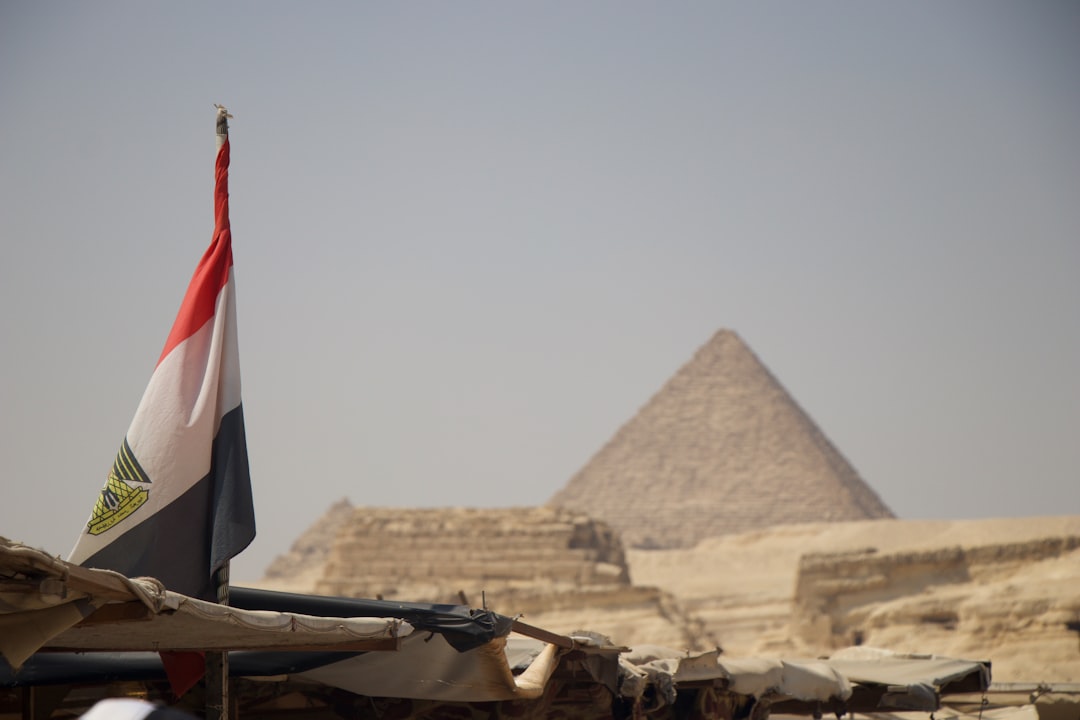
Is It Safe to Travel to Egypt Right Now? Latest Safety Guide & Travel Tips
Egypt is a dream destination for many travelers. It has ancient pyramids, the Nile River, and beautiful deserts. But many people ask: is it safe to travel to Egypt right now? The answer is not simple. It depends on many factors. This guide will give you all the information you need. We will look at current safety conditions. We will discuss government travel advice. We will share practical tips for staying safe. By the end, you will know if Egypt is right for your next trip.
Egypt welcomes millions of tourists every year. Most visits are trouble-free. However, like any country, it has risks. You need to know about these risks before you go. This guide uses information from official sources. We include advice from the U.S. Department of State and the UK Foreign Office. We also talk to travel experts and people who live in Egypt. Our goal is to give you a clear picture. We want you to make an informed decision about your travel plans.
Current Safety Situation in Egypt: What You Need to Know
Egypt's safety situation has improved in recent years. The government has increased security in tourist areas. Popular places like the Pyramids of Giza, Luxor, and Aswan are generally safe. However, some regions still have travel warnings. It is important to know which areas to avoid. The Sinai Peninsula (except Sharm El Sheikh) has a high risk of terrorism. The Western Desert and areas near Libya also have warnings. Always check the latest advice before you travel.
The U.S. Department of State gives Egypt a "Level 3: Reconsider Travel" advisory. This is due to terrorism and security issues. The UK Foreign Office advises against all travel to some parts of Egypt. But it says most tourist areas are safe. The Canadian government has similar advice. These warnings can sound scary. But they often cover large areas where tourists do not go.
Terrorism Risk in Egypt
Terrorism is a concern in Egypt. Attacks have happened in the past. They can target tourist sites, airports, and public places. The Egyptian government works hard to prevent attacks. Security is very tight in major cities and tourist spots. You will see police and military everywhere. This might feel overwhelming. But it is meant to keep people safe. The risk is higher in North Sinai, Western Desert, and some border areas. Tourists should avoid these places completely.
Crime Rates for Tourists
Crime against tourists is relatively low in Egypt. Violent crime is rare. Petty crime like pickpocketing and scams are more common. This happens in crowded markets and tourist areas. Be careful with your belongings. Do not carry large amounts of cash. Use hotel safes for passports and valuables. Be aware of common tourist scams. These include fake tour guides and overpriced souvenirs. Knowing about these risks helps you avoid them.
Government Travel Advisories: Breaking Down the Official Advice
Government travel advisories are important. They give official safety information. But they can be confusing. Let's break down what they really mean for travelers.
United States Travel Advisory
The U.S. Department of State updated its Egypt advisory in July 2024. It says to "reconsider travel" to Egypt. This is Level 3 out of 4 levels. The advisory mentions terrorism, security, and limited healthcare. It advises against travel to the Sinai Peninsula (except Sharm El Sheikh), the Western Desert, and border areas. For tourist areas like Cairo, Giza, Luxor, Aswan, and Alexandria, it advises increased caution. This means be more careful than usual. But it does not mean you should not go.
United Kingdom Travel Advice
The UK Foreign, Commonwealth & Development Office (FCDO) has detailed advice. It advises against all travel to parts of Egypt. This includes areas within 50km of the Libya border. It also includes North Sinai. For other areas, it does not advise against travel. But it warns about the risk of terrorism. The FCDO says most visits to Egypt are trouble-free. Over 400,000 British nationals visit Egypt every year. The FCDO advice is updated regularly. Check it close to your travel date.
Canadian Government Advice
The Government of Canada advises to avoid non-essential travel to Egypt. This is due to the unpredictable security situation. It also advises against all travel to specific regions. These include the Sinai Peninsula (except Sharm El Sheikh), the Western Desert, and border areas. The advice is similar to other countries. It highlights risks but notes that many tourists have safe trips.
Safety in Major Tourist Destinations: City-by-City Guide
Egypt has many amazing places to visit. Some are safer than others. Here is a city-by-city guide to help you plan.
Cairo and Giza
Cairo is Egypt's capital city. It is busy, noisy, and exciting. The Pyramids of Giza are nearby. These areas are generally safe for tourists. Security is very visible. You will see police checkpoints and armed guards. This is normal. Petty crime like pickpocketing can happen in crowded places like Khan el-Khalili market. Be careful when crossing streets. Traffic in Cairo is chaotic. Use official taxis or ride-sharing apps like Uber. Avoid political demonstrations. They can turn violent quickly.
Luxor
Luxor is often called the world's greatest open-air museum. It has the Valley of the Kings and Karnak Temple. Luxor is very safe for tourists. It relies heavily on tourism. The local community protects visitors. You can walk around during the day. At night, stick to well-lit areas. Take normal precautions. Do not buy antiquities from street vendors. They are likely fake or illegal.
Aswan
Aswan is a peaceful city on the Nile. It is known for its beautiful scenery and Nubian culture. Aswan is one of Egypt's safest cities. Crime is very low. The pace is slower than Cairo or Luxor. It is a great place to relax. You can take a felucca ride on the Nile. Visit the Philae Temple. The people are friendly and welcoming.
Alexandria
Alexandria is Egypt's second-largest city. It is on the Mediterranean coast. The city has a different feel from Cairo. It is more Mediterranean. Alexandria is generally safe. But be careful in crowded areas. The Corniche (waterfront) is beautiful for walking. Visit the Bibliotheca Alexandrina. Be aware of your surroundings. Especially at night.
Sharm El Sheikh and Red Sea Resorts
Sharm El Sheikh is a popular beach resort. It is on the Sinai Peninsula. The UK and other countries lifted flight bans to Sharm El Sheikh in 2019. Security at the airport is very strict. The resort areas are well-protected. They have a heavy security presence. Once you are in your resort, you will feel very safe. These areas are designed for tourists. You can enjoy diving, snorkeling, and beaches. Venturing outside the resort areas is not recommended. Especially without a trusted guide.
Health and Medical Safety in Egypt
Your health is important when traveling. Egypt has good medical facilities in major cities. But they may not meet Western standards. Here is what you need to know.
COVID-19 Requirements
As of 2025, Egypt has no COVID-19 entry requirements. You do not need a vaccine certificate or test. This could change. Check the latest rules before you travel. The World Health Organization monitors the situation in Egypt.
Food and Water Safety
Do not drink tap water in Egypt. Always drink bottled water. Check that the seal is unbroken. Avoid ice in drinks. It may be made from tap water. Be careful with street food. Eat at busy places where food is cooked fresh. Peel fruits and vegetables. Or wash them with bottled water. Common illnesses for tourists are stomach upsets. This is often called "Pharaoh's Revenge." It usually passes in a day or two. Bring medication for diarrhea.
Vaccinations and Health Precautions
Check with your doctor before traveling to Egypt. They might recommend vaccines. These can include Hepatitis A, Typhoid, and Tetanus. If you travel from a country with yellow fever, you need proof of vaccination. Malaria risk is low in Egypt. But it exists in some areas. Use insect repellent. Cover up at dusk. Consider anti-malarial medication if traveling to rural areas. The CDC has detailed health advice for Egypt.
Sun and Heat Protection
Egypt is hot. Especially in summer. Temperatures can reach 40°C (104°F). Protect yourself from the sun. Wear a hat, sunglasses, and sunscreen. Drink plenty of water. Avoid being outside in the midday heat. Plan indoor activities for the hottest part of the day. Heatstroke is a real risk. Know the symptoms.
Cultural Sensitivity and Local Laws
Understanding local culture helps you stay safe and respectful. Egypt is a Muslim-majority country. It has conservative social norms.
Dress Code
Dress modestly. This applies to men and women. In tourist areas, you can wear shorts and t-shirts. But covering shoulders and knees is respectful. When visiting mosques, women should cover their hair, arms, and legs. Men should wear long pants. Carry a scarf for women. You can buy one locally.
Public Behavior
Public displays of affection are frowned upon. Holding hands is okay for married couples. But kissing in public is not acceptable. Avoid drinking alcohol in public. It is only allowed in licensed bars, hotels, and restaurants. During Ramadan, be respectful. Do not eat, drink, or smoke in public during daylight hours. Ramadan is a holy month for Muslims.
Photography Rules
Be careful when taking photos. Do not photograph military installations, police, or bridges. This is illegal. Always ask permission before photographing people. Especially women. Some may ask for money. Be prepared to pay a small tip. In museums, check if photography is allowed. Sometimes you need to buy a camera ticket.
Drug Laws
Egypt has strict drug laws. Penalties for possession, use, or trafficking are severe. They include long prison sentences and heavy fines. Do not use or carry drugs. This includes marijuana. Prescription medications should be in original containers. Bring a copy of your prescription.
Practical Safety Tips for Egypt Travelers
Here are actionable tips to keep you safe in Egypt. Follow these guidelines for a smooth trip.
- Register with your embassy. This lets your government know you are in Egypt. They can contact you in an emergency. The U.S. has the Smart Traveler Enrollment Program (STEP).
- Get comprehensive travel insurance. Make sure it covers medical evacuation. Check if it includes adventure activities like diving.
- Keep copies of important documents. Have digital and paper copies of your passport, visa, and insurance. Leave a copy with someone at home.
- Use reputable tour companies. Book through well-known operators. Read reviews online. Avoid deals that seem too good to be true.
- Be careful with money. Use ATMs inside banks or hotels. Do not flash large amounts of cash. Inform your bank you are traveling to Egypt.
- Stay connected. Buy a local SIM card for your phone. It is cheap and useful for maps and translation apps.
- Learn basic Arabic phrases. Knowing "hello" (marhaba), "thank you" (shukran), and "no" (la) is helpful.
- Trust your instincts. If a situation feels wrong, leave. Do not worry about being polite.
- Women traveling alone: Egypt can be challenging for solo female travelers. You may experience staring and unwanted attention. Dress conservatively. Avoid walking alone at night. Use ride-sharing apps. Join group tours. Many women have positive solo trips. But be prepared.
- Transportation safety: Use official taxis with meters. Or use Uber or Careem. These apps are safer and cheaper. Trains are generally safe for tourists. Opt for first-class tickets. Domestic flights are efficient between major cities.
Step-by-Step Guide: Planning a Safe Trip to Egypt
Follow these steps to plan your Egyptian adventure safely.
Step 1: Research and Decide (2-3 Months Before)
Read current travel advisories. Decide if Egypt is right for you. Consider your comfort with risk. Choose which cities you want to visit. Avoid restricted areas.
Step 2: Book Flights and Accommodation (2 Months Before)
Book flights to major airports like Cairo (CAI) or Luxor (LXR). Choose reputable hotels with good security. Read recent guest reviews. Look for properties in safe neighborhoods.
Step 3: Arrange Visas and Insurance (1 Month Before)
Most tourists need a visa. You can get an e-Visa online before you travel. Or get a visa on arrival at the airport. Buy comprehensive travel insurance. Print all documents.
Step 4: Health Preparations (1 Month Before)
Visit your doctor or a travel clinic. Get recommended vaccinations. Refill prescription medications. Pack a basic first-aid kit.
Step 5: Final Preparations (1 Week Before)
Register with your embassy. Inform your bank. Download offline maps and translation apps. Share your itinerary with family. Pack appropriate clothing.
Step 6: During Your Trip
Arrive at the airport. Have your visa and hotel address ready. Use official airport taxis. Check in with your hotel. Follow the safety tips in this guide. Enjoy your trip!
Step 7: Returning Home
Keep your boarding pass. You may need it for insurance. Check your health when you return home. See a doctor if you feel unwell.
Frequently Asked Questions (FAQ)
1. Is Egypt safe for American tourists in 2025?
Yes, Egypt is generally safe for American tourists in popular areas. The U.S. State Department advises "reconsider travel" overall. But it notes that tourist areas have enhanced security. Millions of Americans visit Egypt safely each year. Follow government advice and use common sense.
2. Can I travel to the Pyramids of Giza safely?
Yes, the Pyramids of Giza are safe to visit. They are one of Egypt's most secure tourist sites. There are police, tourist police, and security cameras. Go with a licensed guide. Avoid touts offering camel or horse rides at inflated prices. Visit early in the morning to avoid crowds and heat.
3. Is it safe for a woman to travel alone in Egypt?
It can be safe, but challenging. Solo female travelers may face constant staring and comments. Harassment is common. To stay safe, dress very conservatively. Avoid walking alone at night. Use reputable tour companies. Stay in hotels with good reviews from solo female travelers. Many women have positive solo trips by taking precautions.
4. What areas of Egypt should I avoid?
You should avoid the Sinai Peninsula (except Sharm El Sheikh). Avoid the Western Desert near the Libya border. Avoid travel within 50km of Egypt's border with Libya. Avoid North Sinai Governorate. The Egyptian government also restricts travel to some parts of the Eastern Desert. Always check the latest maps from your government.
5. Do I need special security precautions in Egypt?
Yes, you should be more security-aware than in some other countries. Be aware of your surroundings. Avoid large crowds and demonstrations. Follow instructions from security personnel. Cooperate at security checkpoints. Do not leave bags unattended. Report suspicious activity to the police.
6. How safe are Nile River cruises?
Nile River cruises between Luxor and Aswan are very safe. They are a popular and secure way to see Egypt. Cruise boats have security screening. They often travel in convoys with security boats. Book with a reputable cruise company. Check recent reviews online.
7. What is the biggest safety risk for tourists in Egypt?
The biggest risks are traffic accidents and petty crime. Egyptian roads can be dangerous. Drivers are aggressive. Use seatbelts. Choose experienced drivers. For petty crime, keep valuables hidden. Be firm with pushy vendors. The risk of terrorism exists but is lower in main tourist zones due to high security.
Real Traveler Experiences and Statistics
Let's look at real data and stories. This gives a balanced view of safety in Egypt.
According to Egypt's Central Agency for Public Mobilization and Statistics (CAPMAS), tourism is recovering strongly. In 2023, Egypt welcomed around 13 million tourists. This is close to pre-pandemic levels. The government aims for 30 million tourists by 2028. This shows confidence in the sector's safety and stability.
Travel bloggers and vloggers share positive experiences. Many highlight the heavy security presence. They say it made them feel safe. Others talk about the warmth of Egyptian people. Scams and harassment are common complaints. But most say the amazing sights outweigh the hassles.
A 2024 survey by a travel insurance company asked about safety in Egypt. 78% of respondents who visited Egypt felt "safe" or "very safe" during their trip. 15% felt "neutral." Only 7% felt "unsafe." The main concerns were harassment and scams, not violence.
Here is a story from a recent traveler, Sarah from the UK: "I traveled to Egypt with my sister in October 2024. We visited Cairo, Luxor, and Aswan. We felt safe the entire time. Yes, there were many security checks. And yes, men called out to us in the markets. But we ignored them and kept walking. Our guides were excellent. The history was mind-blowing. I would go back in a heartbeat."
Conclusion: Making Your Decision
So, is it safe to travel to Egypt right now? The answer is: it depends. For the cautious traveler who does research, Egypt can be a safe and incredible destination. The key is to stay informed and prepared.
Stick to the main tourist trail. Cairo, Luxor, Aswan, and the Red Sea resorts have strong security. Avoid restricted areas in Sinai and the Western Desert. Respect local customs and dress codes. This reduces unwanted attention. Use reputable guides and tour operators. They know how to navigate local challenges.
Egypt is not a destination for complete beginners. It can be intense. But for those willing to embrace the chaos, the rewards are immense. Standing before the Pyramids, sailing the Nile, exploring ancient temples – these are unforgettable experiences.
Check the latest travel advisories a week before you go. Situations can change. Buy good travel insurance. Tell your family your plans. Then, go with an open mind. Egypt is a country of profound history and generous people. With the right precautions, you can explore its wonders safely. Your journey to the land of the Pharaohs awaits.
Ready to plan your trip? Start by reading our guide on the best time to visit Egypt. Or learn how to experience Egypt on a budget. Safe travels!