
Vegas Vacation Guide: Planning Tips & Budget Secrets
Las Vegas is a city like no other. It sits in the middle of the Nevada desert. It glows with bright lights every night. People call it "Sin City" or "The Entertainment Capital of the World." A Vegas vacation offers something for everyone. You can see amazing shows. You can try your luck at casinos. You can eat at world-class restaurants. You can shop at luxury stores. This guide will help you plan the perfect trip. We cover everything from hotels to hidden costs. Let's make your Vegas vacation unforgettable.
Why Choose Las Vegas for Your Vacation?
Las Vegas attracts over 40 million visitors each year. The Las Vegas Convention and Visitors Authority tracks these numbers. Why do so many people come? First, the city never sleeps. The fun goes on 24 hours a day. Second, it has constant entertainment. You can find concerts, magic shows, and circus acts every night. Third, the food is incredible. Famous chefs from around the world have restaurants here. Fourth, the hotels are destinations themselves. They have pools, spas, and shopping malls inside. Finally, it is a city of surprises. You can find replicas of world landmarks on one street. You can ride a roller coaster around a hotel. Your Vegas vacation will be full of excitement.
The Allure of 24-Hour Entertainment
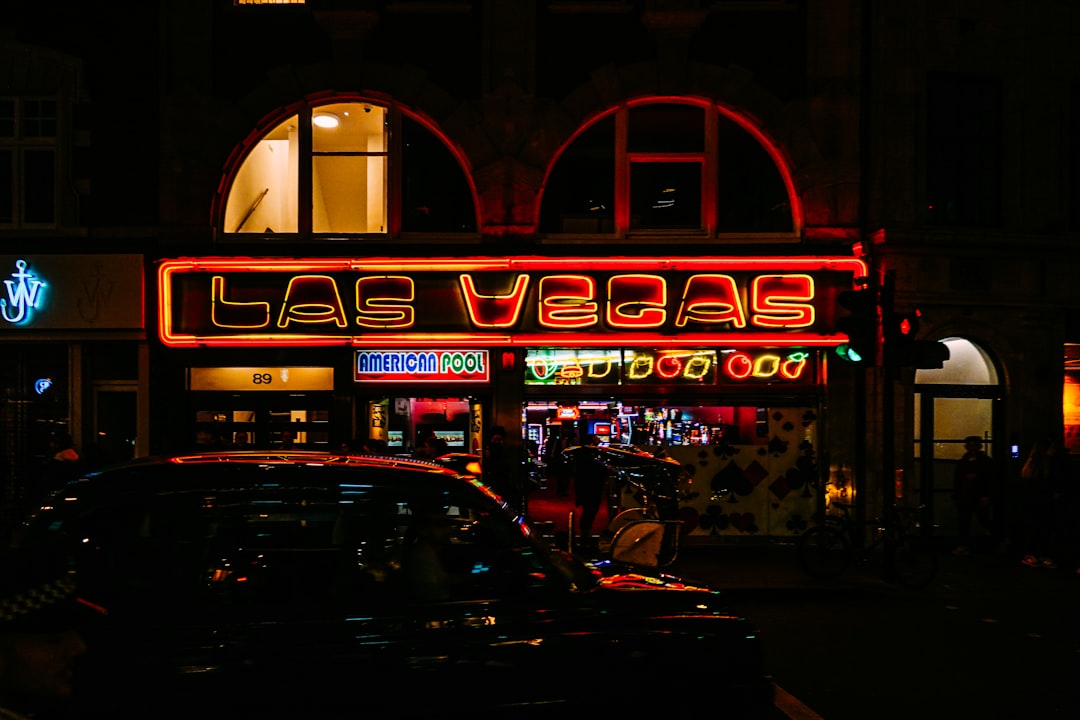
Most cities quiet down at night. Las Vegas does the opposite. The famous Las Vegas Strip comes alive after dark. The neon lights create a magical glow. Casinos buzz with activity. Restaurants serve meals at 3 AM. Clubs play music until sunrise. This non-stop energy is unique. It means you can vacation on your own schedule. Sleep during the day. Explore at night. The choice is yours.
World-Class Dining and Shows
Las Vegas competes with cities like New York and Paris for fine dining. Celebrity chefs like Gordon Ramsay and Wolfgang Puck have multiple restaurants here. You can eat sushi, steak, or Italian food. You can also find cheap buffets. The shows are equally impressive. Cirque du Soleil has several permanent shows in Vegas. Famous musicians perform residency concerts. Magicians like David Copperfield amaze audiences. A Vegas vacation is a feast for your senses.
Planning Your Vegas Vacation: A Step-by-Step Guide
Good planning makes your trip better. Follow these steps for a smooth Vegas vacation.
Step 1: Choose Your Travel Dates Wisely
When you go affects price and crowds. Weekdays (Sunday to Thursday) are cheaper. Hotel rates drop significantly. Weekends (Friday and Saturday) are more expensive. They are also more crowded. Major events cause prices to spike. These include New Year's Eve, the Super Bowl, and big conventions. Check the Las Vegas events calendar before booking. Consider visiting in spring (March to May) or fall (September to November). The weather is pleasant then. Summer is very hot. Winter can be chilly at night.
Step 2: Set a Realistic Budget
Las Vegas can be expensive. But you can control costs with a budget. Decide how much you will spend on these items:
- Accommodation: Hotel prices vary widely.
- Food and Drink: Include meals, snacks, and cocktails.
- Entertainment: Show tickets, club entry fees.
- Gambling: Set a strict limit for casino games.
- Transportation: Flights, airport transfers, taxis.
- Shopping and Souvenirs: Gifts for yourself and others.
Always add a 10% buffer for unexpected costs. Resort fees are a common surprise. Most hotels charge a daily fee for amenities. This is not always included in the advertised price.
Step 3: Book Flights and Accommodation
Book flights 2-3 months in advance for the best deals. Use flight comparison websites. Harry Reid International Airport (LAS) is the main airport. It is close to the Strip. For hotels, location matters. The Strip is the main tourist area. Downtown Las Vegas (Fremont Street) is older and often cheaper. Choose a hotel based on your priorities. Do you want a huge pool? A central location? A quiet room? Read recent reviews online. Look for packages that include resort credit or show tickets.
Step 4: Create a Flexible Itinerary
Plan your days but stay flexible. You might discover something new. A sample 4-day itinerary could look like this:
- Day 1: Arrive, check-in, explore your hotel, see a evening show.
- Day 2: Visit the Bellagio Fountains, gamble a little, try a buffet.
- Day 3: Go to Fremont Street, shop, see a magic show.
- Day 4: Relax by the pool, have a fancy dinner, depart.
Don't pack every hour with activities. Leave time to relax and wander.
Where to Stay: Strip vs. Downtown
Your hotel choice shapes your Vegas vacation. You have two main areas: the Strip and Downtown.
The Las Vegas Strip
The Strip is a 4-mile stretch of Las Vegas Boulevard. It is home to the most famous hotels and casinos. Staying here puts you in the center of the action. You can walk to many attractions. The Strip is divided into three sections:
- North Strip: Includes resorts like Wynn, Encore, and Circus Circus. Slightly less crowded.
- Central Strip: The heart of the action. Bellagio, Caesars Palace, The Venetian are here. Most expensive area.
- South Strip: Includes New York-New York, MGM Grand, Luxor. Good for families.
Pros of staying on the Strip: Best location, iconic views, many dining options. Cons: Can be noisy, expensive, very crowded.
Downtown Las Vegas (Fremont Street)
Downtown is the original casino district. It is about 10 minutes north of the Strip. Fremont Street is the main attraction. It has a giant LED canopy called the Viva Vision screen. Light shows happen every hour. The area feels more historic and casual. Casinos here often have lower table limits. This is good for beginner gamblers. Hotels like The D and Golden Nugget offer good value. Pros of staying Downtown: Cheaper, classic Vegas vibe, more relaxed. Cons: Fewer luxury options, need transportation to the Strip.
Top Attractions and Must-See Sights
Your Vegas vacation should include these famous spots.
Free Attractions on the Strip
You don't need to spend money to have fun. These free attractions are fantastic:
- The Bellagio Fountains: Water dances to music. Shows happen every 30 minutes in the afternoon and evening.
- The Bellagio Conservatory & Botanical Gardens: Beautiful flower displays that change with the seasons.
- The Mirage Volcano: A volcano that "erupts" with fire and sound at night. (Note: It was temporarily closed but check for reopening).
- The Fremont Street Experience: The light and sound show on the canopy. Free concerts on several stages.
- Circus Circus Adventuredome: You can watch circus acts for free inside the casino.
Paid Attractions Worth the Money
Some experiences are worth the ticket price.
- High Roller Observation Wheel: The world's tallest observation wheel. It gives amazing views of the Strip. Go at night for the best lights.
- Shark Reef Aquarium at Mandalay Bay: A walk-through aquarium with sharks, rays, and sea turtles. Great for families.
- STRAT Tower Thrill Rides: Adrenaline rides on top of the STRAT hotel. Not for the faint of heart.
- Mob Museum: Located Downtown. Tells the story of organized crime in America. Very interesting and educational.
Iconic Hotel Experiences
Just walking through the hotels is an attraction. Don't miss:
- The Venetian: Ride a gondola inside the hotel's replica of Venetian canals.
- Paris Las Vegas: Go up the half-scale Eiffel Tower for a great photo.
- New York-New York: Ride the roller coaster that goes around the hotel.
- Luxor: See the giant pyramid and ancient Egypt theme.
Dining in Las Vegas: From Buffets to Fine Dining
Food is a major part of any Vegas vacation. The options seem endless.
The Famous Las Vegas Buffet
Buffets are a Vegas tradition. They offer all-you-can-eat food for one price. Quality varies. The best buffets have high-quality ingredients. They often have themed stations. For example, a carving station, a seafood station, and a dessert station. Popular buffets include Bacchanal Buffet at Caesars Palace and Wicked Spoon at The Cosmopolitan. Tips for buffets: Go for lunch instead of dinner. It is cheaper. Skip breakfast that day. Arrive early to avoid long lines.
Celebrity Chef Restaurants
Las Vegas has more celebrity chef restaurants than any other city. According to the Las Vegas tourism board, there are over 50. Gordon Ramsay has several, including Hell's Kitchen. Joël Robuchon has a three-Michelin-star restaurant at MGM Grand. These places are expensive. But the food is an experience. Make reservations weeks in advance.
Affordable and Delicious Eats
You don't need to spend a lot to eat well. Look for these options:
- Food Courts: Most large hotels have them. They offer fast food and casual dining.
- Off-Strip Locations: Restaurants just a block away from the Strip are often cheaper.
- Happy Hours: Many bars and restaurants offer discounted drinks and appetizers in the late afternoon.
- Food Trucks: They gather in certain areas, especially near Fremont Street.
Entertainment and Nightlife Guide
Shows and clubs are a big draw for a Vegas vacation.
Choosing the Right Show
There are hundreds of shows. How do you choose? First, decide on a category. Do you want a circus show? A magic show? A concert? A comedy show? Second, check reviews on sites like TripAdvisor. Third, consider your budget. Ticket prices range from $50 to over $300. Some tips: Look for discounted tickets at Tix4Tonight booths on the Strip. They sell same-day tickets at a lower price. Weekday shows are often cheaper. Some shows are for adults only. Check the age limit before booking.
Nightclubs and Dayclubs
Las Vegas is famous for its clubs. Nightclubs open around 10 PM and go until 4 AM. They feature famous DJs. Dayclubs are pool parties that happen during the day. They have DJs, dancing, and swimming. Popular clubs include Omnia at Caesars Palace and XS at Encore. Getting in can be difficult and expensive. Here is how to improve your chances:
- Buy tickets in advance online.
- Dress well. No shorts, flip-flops, or sports jerseys.
- Arrive early, especially if you are a large group.
- Consider getting a table if your budget allows. This guarantees entry and includes drinks.
Practical Tips for a Smooth Vegas Vacation
These tips will save you time, money, and stress.
Money-Saving Strategies
Las Vegas wants you to spend money. Be smart with these strategies:
- Sign up for Player's Clubs: Every casino has a free loyalty program. You get a card. Use it when you gamble. You earn points for free play, meals, or hotel stays.
- Drink for Free While Gambling: Waitresses serve free drinks to people playing at tables or slot machines. Tip them $1-$2 per drink.
- Use the Monorail and Deuce Bus: The Monorail runs behind the east side of the Strip. The Deuce is a double-decker bus that runs the length of the Strip. They are cheaper than taxis.
- Bring Your Own Water: Buy water from a convenience store off the Strip. Hotel shops charge much more.
- Look for Comps: If you gamble a lot, ask the casino host about complimentary items ("comps"). These can include rooms, shows, or meals.
Staying Safe and Healthy
Have fun but stay safe.
- Stay Hydrated: The desert air is very dry. Drink water constantly, even if you are not thirsty.
- Use Sunscreen: The sun is strong. Use sunscreen even by the pool.
- Watch Your Belongings: Crowded areas can attract pickpockets. Keep your wallet in a front pocket.
- Know Your Limits with Alcohol: Drinks can be strong. Pace yourself. Eat food while drinking.
- Gamble Responsibly: Set a loss limit before you start. Only gamble with money you can afford to lose. The National Council on Problem Gambling offers help if needed.
Navigating the City
Getting around is easier if you know these facts:
- Walking the Strip takes longer than it looks. Hotels are huge. It can take 20 minutes to walk from one hotel to the next.
- Crossing the street often requires using pedestrian bridges. They are safe but add steps.
- Taxis and ride-shares (Uber, Lyft) have specific pickup zones. Look for signs at hotels.
- Traffic on the Strip is often heavy, especially on weekends. Walking or the monorail can be faster.
Frequently Asked Questions (FAQ)
1. What is the best time of year for a Vegas vacation?
Spring (March-May) and Fall (September-November) are best. The weather is mild. Summer is extremely hot. Winter can be cold at night.
2. How much money should I budget per day?
It depends on your style. A budget traveler can spend $100-$150 per day excluding hotel and gambling. A mid-range traveler might spend $250-$400. A luxury traveler can spend $1000+.
3. Are there things to do in Las Vegas for non-gamblers?
Absolutely. Yes. You can see shows, visit museums, shop, eat at great restaurants, relax at pools, and see free attractions. Many people enjoy Vegas without gambling at all.
4. What should I wear in Las Vegas?
Daytime is casual. Wear comfortable shoes for walking. Nights can be dressy, especially for clubs and fine dining. Check dress codes for specific places. Always bring a light jacket. Indoor casinos can be cold.
5. How do I get from the airport to the Strip?
You have several options. Taxis cost about $20-$30. Ride-shares (Uber/Lyft) are similar. Shared shuttle vans cost about $15 per person. Some hotels offer free shuttles, but these are rare.
6. What is a resort fee?
A resort fee is a daily charge hotels add to your bill. It covers amenities like Wi-Fi, pool access, and gym use. It is usually not included in the advertised room rate. Always check for this fee before booking.
7. Is Las Vegas family-friendly?
Yes, but with limits. Many hotels have pools and arcades. Attractions like the Adventuredome and Shark Reef are great for kids. However, the city is geared toward adults. You will see gambling and adult advertisements everywhere. Use your judgment.
Real Examples and Statistics
Let's look at some real data about Las Vegas.
Visitor Statistics: In 2023, Las Vegas welcomed about 40.8 million visitors, according to the LVCVA. That is nearly back to pre-pandemic levels. About 15% of visitors come for conventions.
Economic Impact: Tourism is the lifeblood of the city. The industry supports over 200,000 jobs directly. Visitors spent an estimated $45 billion in 2023.
Gambling Revenue: The state of Nevada collected over $1.3 billion in gambling taxes in 2023. Clark County (where Las Vegas is) accounts for the vast majority of that.
Hotel Occupancy: The average hotel occupancy rate on the Strip is around 85% on weekends. This shows how popular the city is.
Example Budget for a 3-Day Couples Trip:
- Mid-range hotel (3 nights, with resort fee): $600
- Food & Drink (3 days): $450
- One Show (2 tickets): $200
- Transportation (taxis, monorail): $100
- Gambling Budget: $300
- Total Estimated Cost: $1,650
Conclusion: Your Unforgettable Vegas Vacation Awaits
Planning a Vegas vacation is exciting. The city offers a unique mix of glamour, fun, and adventure. Remember to plan ahead. Choose your dates and hotel carefully. Set a budget and stick to it. Explore beyond the casinos. See the free attractions. Eat at amazing restaurants. Enjoy a world-class show. Use the practical tips in this guide to save money and stay safe. Most importantly, go with an open mind. Las Vegas is a city of dreams and surprises. Let yourself be amazed by the lights, the energy, and the endless possibilities. Your perfect Vegas vacation is waiting for you. Start planning today. The memories will last a lifetime.
Ready to book your trip? Check out our other guides on the best Vegas shows and how to do Vegas on a budget for more detailed tips. Have a fantastic trip!