
What Is Travelers Diarrhea? Your Complete Survival Guide
Travelers diarrhea is a common illness. It affects people visiting new places. The main symptom is loose, watery stools. You might also get stomach cramps. Nausea and vomiting can happen too. This illness usually lasts 3 to 5 days. But it can ruin your vacation. About 30% to 70% of travelers get it. The risk depends on where you go. Developing countries have higher risks. But you can get it anywhere. Understanding this illness is important. It helps you stay healthy while traveling.
This guide will explain everything. You will learn what causes it. You will learn how to prevent it. You will learn how to treat it. We will cover symptoms in detail. We will discuss high-risk destinations. We will give you practical tips. These tips can protect you. We will also talk about when to see a doctor. Some cases need medical help. We want you to be prepared. Knowledge is your best defense. Let's begin our journey into this common travel problem.
Understanding Travelers Diarrhea: The Basics
Travelers diarrhea is an intestinal infection. It happens when you eat or drink contaminated items. Bacteria cause most cases. Viruses and parasites can cause it too. Your body is not used to these germs. Local people might be immune. But travelers are vulnerable. This is why it's called travelers diarrhea. The medical term is enteric infection. It affects your digestive system. Your stomach and intestines get inflamed. This leads to the unpleasant symptoms.
What Causes Travelers Diarrhea?
Several germs can cause this illness. Bacteria are the most common cause. Escherichia coli (E. coli) is a major culprit. This bacteria lives in human and animal intestines. Contaminated water spreads it. Raw vegetables washed in dirty water can carry it. Undercooked meat is another source. Other bacteria include Campylobacter and Shigella. Salmonella is also common. These all come from fecal contamination. This means germs from poop get into food or water.
Viruses can cause travelers diarrhea too. Norovirus is a frequent virus. It spreads quickly in crowded places. Cruise ships sometimes have outbreaks. Rotavirus affects children more. Parasites like Giardia are less common. But they cause longer illness. Protozoa like Cryptosporidium are also parasites. They are found in contaminated water. The cause changes by region. Knowing the common germs helps with treatment.
How Does It Spread?
The illness spreads through the fecal-oral route. This sounds unpleasant but is important. It means germs from feces enter someone's mouth. This happens in several ways. Drinking contaminated water is a common way. Using ice made from bad water is risky. Eating food handled by unclean hands spreads germs. Raw fruits and vegetables can be dangerous. They may be washed in dirty water. Street food is often problematic. Flies can carry germs from waste to food. Swimming in contaminated water can cause infection too. You might swallow some water accidentally.
Person-to-person contact spreads some types. This happens with poor hygiene. Not washing hands after using the bathroom is a problem. Then touching food or surfaces spreads germs. This is why handwashing is so crucial. Understanding spread helps you avoid risks. You can make smarter choices about what you eat and drink.
Common Symptoms and Warning Signs
Symptoms usually start suddenly. They begin 6 to 72 hours after exposure. The first sign is often urgent, loose stools. You might need to find a bathroom quickly. Other symptoms develop too. Knowing them helps you identify the illness early.
Primary Symptoms
The main symptom is diarrhea. Stools become loose and watery. You might go three or more times a day. Abdominal cramps are common. They can be mild or severe. Nausea often occurs. You might feel like vomiting. Actual vomiting happens sometimes. A feeling of bloating is frequent. Gas and gurgling sounds in your stomach occur. You might lose your appetite. Feeling generally unwell is normal. Some people get a low-grade fever. This means a slightly high temperature.
Severe Symptoms Needing Medical Attention
Most cases are mild. But some need doctor care. Watch for these warning signs. High fever over 102°F (39°C) is serious. Blood or mucus in stool requires attention. Severe abdominal pain that doesn't stop is bad. Signs of dehydration need action. These include dry mouth, extreme thirst, little urine, dark urine, dizziness, and fatigue. Diarrhea lasting more than 48 hours in children is concerning. In adults, more than 3-4 days is too long. If you can't keep liquids down, see a doctor. These signs mean the infection might be severe.
Dehydration is the biggest danger. It happens when you lose too much fluid. Your body needs water to function. Diarrhea and vomiting remove fluids quickly. Replacing them is essential. Severe dehydration can be life-threatening. It needs hospital treatment with intravenous (IV) fluids. Recognizing early signs keeps you safe.
High-Risk Destinations and Regions
Risk varies greatly by location. The world is divided into risk zones. The CDC Travel Health Notices provide updated information. Generally, developing countries have higher risk. Areas with poor sanitation are problematic. But even some developed regions have risks.
High-Risk Areas
These areas have the highest risk. South Asia is a major zone. This includes India, Pakistan, and Bangladesh. Southeast Asia is risky too. Thailand, Vietnam, and Indonesia are examples. Most of Africa is high-risk. This includes Kenya, Nigeria, and Egypt. Parts of the Middle East have high rates. Central America has significant risk. Mexico, Guatemala, and Honduras are included. South America has many high-risk countries. Peru, Bolivia, and Brazil are notable. The Caribbean islands have medium to high risk. Rural areas are often worse than cities. But cities still pose threats.
Medium-Risk Areas
These areas have moderate risk. Eastern Europe falls here. Russia, Ukraine, and Poland are examples. Some parts of South Africa are medium-risk. China has varying risk levels. Coastal cities might be better. Inland rural areas are worse. Always check current advice before travel.
Low-Risk Areas
These areas have the lowest risk. The United States is low-risk. Canada, Australia, and New Zealand are safe. Western Europe is generally low-risk. This includes France, Germany, and the UK. Japan and South Korea are low-risk. Singapore is very safe. But remember, risk is never zero. You can get sick anywhere if you're unlucky.
According to a study published in Clinical Microbiology Reviews, attack rates can reach 70% in high-risk areas. In medium-risk areas, it's 8-20%. In low-risk areas, it's less than 5%. Your personal habits affect your risk too. Careful choices lower your chances.
Prevention Strategies: How to Avoid Travelers Diarrhea
Prevention is better than cure. You can take steps to avoid getting sick. These strategies reduce your risk significantly. They focus on food, water, and hygiene. Follow these rules, especially in high-risk areas.
Food Safety Rules
Be careful with what you eat. Follow this simple rule: "Boil it, cook it, peel it, or forget it." This means eat only thoroughly cooked food. Hot food should be steaming hot. Avoid lukewarm food from buffets. Eat fruits you can peel yourself. Bananas, oranges, and mangoes are good. Avoid fruits with broken skin. Do not eat raw vegetables. Salads are risky. They are often washed in local water. Avoid unpasteurized dairy products. This includes milk, cheese, and yogurt. Street food can be dangerous. If you eat it, choose busy stalls. The high turnover means fresher food. Watch the cook prepare your food. Make sure they use clean practices.
Water Safety Guidelines
Water is a major source of germs. Only drink safe water. Bottled water from sealed bottles is best. Check the seal is unbroken. Use bottled water to brush your teeth. Avoid ice in drinks. Ice is often made from tap water. Do not drink tap water. Even in nice hotels, it might be unsafe. Be careful with fountain drinks. The machine might use tap water. Hot drinks like tea and coffee are usually safe. The boiling kills germs. But make sure the water boiled fully. Carbonated drinks in cans or bottles are safe. The carbonation makes it acidic. This kills some bacteria. But still check the seal.
Personal Hygiene Practices
Good hygiene stops spread. Wash your hands often. Use soap and clean water. Wash for at least 20 seconds. Sing "Happy Birthday" twice to time it. Use hand sanitizer if soap isn't available. Choose one with at least 60% alcohol. Wash hands before eating. Wash after using the bathroom. Avoid touching your face with unwashed hands. Keep nails short and clean. Use clean utensils. Avoid sharing food or drinks. Be careful in public bathrooms. Use a paper towel to open the door. These small habits make a big difference.
Treatment Options: What to Do If You Get Sick
Despite precautions, you might get sick. Don't panic. Most cases resolve on their own. But you can ease symptoms. Treatment focuses on two things: staying hydrated and managing symptoms. Sometimes medicines help.
Rehydration: The Most Important Step
Replace lost fluids and electrolytes. Drink plenty of safe fluids. Oral rehydration solution (ORS) is best. You can buy packets at pharmacies. Mix with safe water. ORS contains the right balance of salts and sugars. It helps your body absorb water. If you don't have ORS, make a homemade solution. Mix 1 liter of safe water with 6 teaspoons of sugar and half a teaspoon of salt. Sip this slowly throughout the day. Drink clear broths or soups. Avoid caffeine and alcohol. They can worsen dehydration. Sports drinks can help. But they have too much sugar for some people. Dilute them with water.
Dietary Management
Eat simple, bland foods. The BRAT diet is often recommended. This stands for Bananas, Rice, Applesauce, and Toast. These foods are binding. They help firm up stools. Other good options include plain crackers, boiled potatoes, and oatmeal. Avoid fatty, spicy, or sugary foods. Dairy products might worsen diarrhea. Eat small meals more often. Don't force yourself to eat if nauseous. But keep drinking fluids.
Medications for Symptom Relief
Some medicines can help. Loperamide (Imodium) slows gut movement. It reduces diarrhea frequency. But it doesn't cure the infection. Don't use it if you have fever or bloody stools. It can trap germs inside. Bismuth subsalicylate (Pepto-Bismol) can help. It reduces inflammation. It has some antibacterial effects. But it can turn your tongue and stool black. This is harmless. Antibiotics might be needed for severe cases. A doctor must prescribe them. Common travel antibiotics include azithromycin and rifaximin. Don't take antibiotics without medical advice. This can lead to resistance.
Practical Tips Section: Your Action Plan
Here is a step-by-step action plan. Follow it before, during, and after travel.
Before You Travel
- Research your destination's risk level. Check the WHO International Travel and Health guide.
- Visit a travel clinic or your doctor. Discuss prevention strategies.
- Get travel health insurance. Make sure it covers diarrhea treatment.
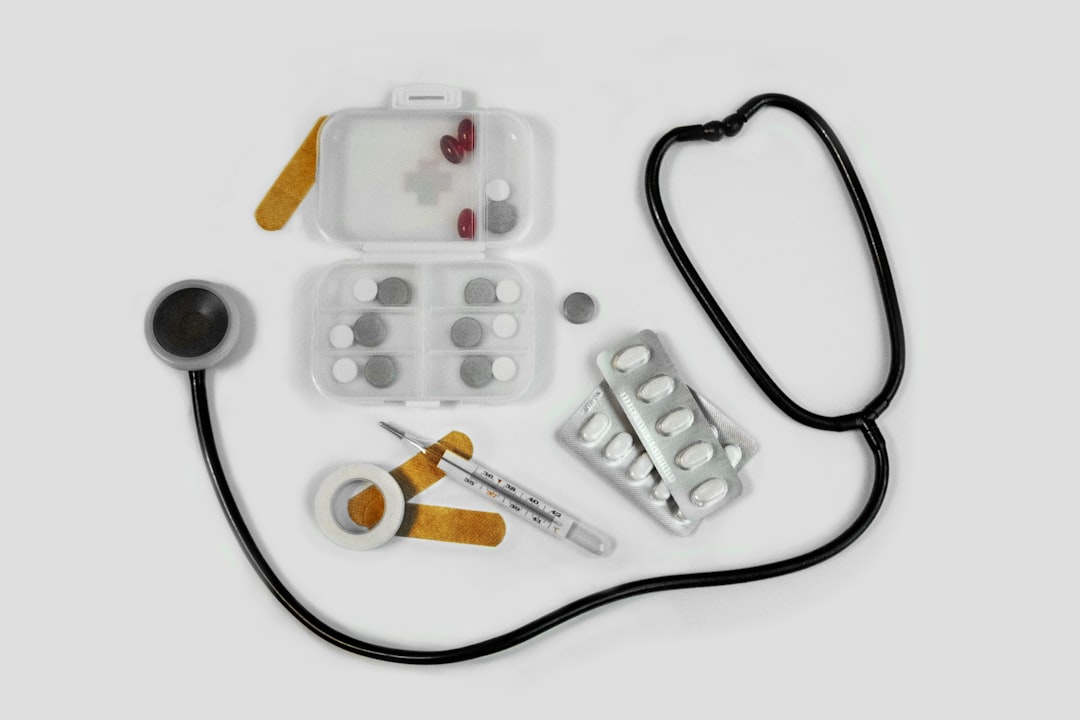
- Pack a travel health kit. Include ORS packets, hand sanitizer, wet wipes, thermometer, and medications.
- Learn basic phrases in the local language. Know how to ask for a doctor or pharmacy.
- Note the location of medical facilities at your destination.
During Your Trip
- Follow food and water safety rules strictly.
- Wash hands frequently with soap and water.
- Carry hand sanitizer for times when washing isn't possible.
- Drink only bottled or treated water. Check bottle seals.
- Eat at busy restaurants with good hygiene standards.
- Avoid swimming in potentially contaminated water.
- Monitor your health daily.
If You Get Sick
- Start rehydration immediately. Drink ORS or clear fluids.
- Rest as much as possible. Cancel non-essential activities.
- Eat bland foods like bananas, rice, and toast.
- Use medications like loperamide for symptom relief if appropriate.
- Monitor for severe symptoms like high fever or blood in stool.
- Seek medical help if symptoms worsen or don't improve in 48 hours.
- Inform your travel companions. They can help you and take precautions.
After Recovery
- Continue good hygiene to avoid spreading germs.
- Gradually return to normal diet.
- Consider probiotics to restore gut bacteria.
- Note what might have caused the illness. Avoid it in future.
- See a doctor if symptoms return after you get home.
FAQ Section: Common Questions Answered
1. How long does travelers diarrhea usually last?
Most cases last 3 to 5 days. Without treatment, it typically resolves in a week. With proper rehydration and care, you might recover faster. Severe cases or those caused by parasites can last longer.
2. Can I prevent it with medications?
Some antibiotics can prevent it. But doctors don't usually recommend this. It can cause side effects. It also promotes antibiotic resistance. Bismuth subsalicylate (Pepto-Bismol) can reduce risk. Taking two tablets four times daily helps. But it's not 100% effective. Prevention through careful habits is better.
3. Is it safe to eat street food?
Street food carries risk. But it's often part of the travel experience. To reduce risk, choose busy stalls. Watch the food being cooked. Eat food that is served hot and cooked thoroughly. Avoid raw ingredients. Trust your instincts. If a place looks dirty, avoid it.
4. Should I get vaccinated before travel?
There is no vaccine for general travelers diarrhea. But vaccines exist for specific causes. The cholera vaccine might offer some protection against certain E. coli strains. The typhoid vaccine protects against Salmonella typhi. Talk to a travel medicine specialist. They can advise based on your destination.
5. When should I definitely see a doctor?
See a doctor if you have: high fever (over 102°F), blood in stool, severe abdominal pain, signs of dehydration (dizziness, no urine for 8 hours), diarrhea lasting more than 3 days, or inability to keep liquids down. Children, elderly travelers, and those with weak immune systems should seek help sooner.
6. Can I travel while having diarrhea?
It's best to delay travel if possible. Moving around is uncomfortable. You need frequent bathroom access. Air travel can be particularly difficult. If you must travel, stay well-hydrated. Use medications to control symptoms. Choose aisle seats for easier bathroom access.
7. Does bottled water always guarantee safety?
Not always. Some bottles are refilled with tap water. Always check the seal is intact. Buy from reputable stores. Carbonated bottled water is safer. The carbonation process kills some bacteria. When in doubt, treat the water yourself.
Real Examples and Case Studies
Real stories help us learn. Here are some examples from travelers.
Example 1: The Mexico Vacation
Sarah went to Cancun for a week. She drank bottled water but used ice in her cocktails. On day three, she got severe cramps and diarrhea. She missed two days of her vacation. She realized the ice was the problem. The hotel used tap water for ice. She learned to always ask for no ice.
Example 2: The India Backpacker
Mark traveled through India for a month. He ate only at busy local restaurants. He drank only sealed bottled water. He used hand sanitizer before every meal. He didn't get sick at all. His careful habits protected him.
Example 3: The Family Cruise
The Johnson family took a Caribbean cruise. Their 8-year-old son got diarrhea on day two. He had a mild fever too. The ship doctor diagnosed norovirus. They isolated in their cabin for 48 hours. The medical team provided ORS. He recovered fully. The quick response prevented spread to others.
Statistics and Data: Understanding the Scope
Numbers show how common this problem is. According to the Centers for Disease Control and Prevention (CDC):
- 30-70% of travelers get diarrhea, depending on destination.
- Each year, about 10 million international travelers get diarrhea.
- It's the most common travel-related illness.
- Bacteria cause 80-90% of cases.
- Enterotoxigenic E. coli (ETEC) causes 20-40% of cases.
- On average, travelers diarrhea adds $350 in extra costs per illness.
- 20-25% of affected travelers need to change their plans.
- 5% need bed rest for at least one day.
- 1% require hospitalization.
A JAMA study found that prevention efforts can reduce risk by 40-60%. Simple measures work well. The economic impact is significant too. The World Health Organization notes diarrhea diseases cause major health burdens globally.
Step-by-Step Guide: Water Purification Methods
Sometimes you can't find bottled water. You need to purify local water. Here are reliable methods.
Boiling
- Bring water to a rolling boil.
- Keep boiling for 1 minute (3 minutes at high altitudes).
- Let it cool naturally.
- Store in a clean, covered container.
Boiling kills bacteria, viruses, and parasites. It's the most effective method.
Chemical Disinfection
- Use chlorine or iodine tablets. Follow package instructions.
- Typically, add one tablet per liter of water.
- Wait 30 minutes before drinking.
- The water might taste slightly chemical.
Chemical methods kill most germs. But they might not kill Cryptosporidium.
Filtration
- Use a portable water filter with a pore size of 0.1-0.4 microns.
- Pump water through the filter into a clean container.
- Some filters also have chemical treatment for viruses.
Filters remove bacteria and parasites. But they might not remove viruses unless specially designed.
UV Light Treatment
- Use a portable UV light device.
- Stir the device in the water for the recommended time (usually 60-90 seconds).
- The UV light destroys germs' DNA.
UV pens are effective against bacteria, viruses, and parasites. But water must be clear for the light to work.
Conclusion: Staying Healthy on Your Adventures
Travelers diarrhea is common but manageable. Understanding it is the first step. You now know what causes it. You know the symptoms to watch for. You have learned prevention strategies. These include food and water safety. Good hygiene is crucial too. If you do get sick, you know how to respond. Rehydration is most important. Simple treatments often work. Know when to seek medical help.
Travel should be enjoyable. Don't let fear of illness stop you. With preparation, you can minimize risks. Be smart about what you eat and drink. Wash your hands regularly. Pack a basic health kit. Research your destination's risks. Follow the practical tips in this guide. They come from expert sources and traveler experiences.
Remember that most travelers stay healthy. Even if you get sick, most cases are mild. You recover quickly with proper care. The memories you make are worth the small risks. Stay informed, stay prepared, and have wonderful travels. For more travel health tips, visit our travel guides section. Safe journeys!